
Buying Restaurant Furniture: 7 Checks Before You Place an Order
September 22, 2026
A restaurant furniture order can look complete on paper and still leave awkward problems on opening day. Chairs may fit beneath the tables but collide with their bases. A booth may look right in a rendering yet feel cramped when guests sit down. Furniture may arrive on time at the port but reach the restaurant too late for installation.
The purpose of a buying checklist is to bring those questions forward, while changes are still manageable. Before approving a bulk order, review the furniture as part of a working restaurant: how guests sit, how staff serve, how the room is cleaned, and how the products reach their final positions.
1. Describe a Typical Service Before Choosing a Style
Start with a short operating brief. What does a normal table look like during service? Two coffees and a pastry require a different setup from shared dishes, drinks, and a tabletop ordering device.
Write down your expected party sizes, service format, and whether staff need to rearrange the room. Identify any seats used mainly for waiting, quick visits, or longer meals. This gives everyone reviewing the order a common starting point.
Consider a café that serves individual customers during the day and larger groups in the evening. Before selecting one large communal table, test whether smaller tables that can be combined would suit both uses. Include the time staff would spend moving them and the space needed to store unused chairs.
2. Review the Table and Chair as a Pair
Product photographs show appearance, but they cannot demonstrate how a guest will sit at your chosen combination.
When comparing commercial restaurant tables, review the complete assembly alongside the intended chair. Check where knees, feet, armrests, and chair legs will sit. The tabletop edge, apron, and base can all affect usable space.
Create a simple place setting with the plates, glasses, and accessories you expect to use. Then pull the chairs out as guests would when entering and leaving. This exercise can reveal conflicts that a top-down layout misses.
If you are keeping existing chairs, measure those actual chairs before ordering new tables. Do not assume that two products described as “dining height” will work comfortably together.
3. Give Each Seating Area a Clear Purpose
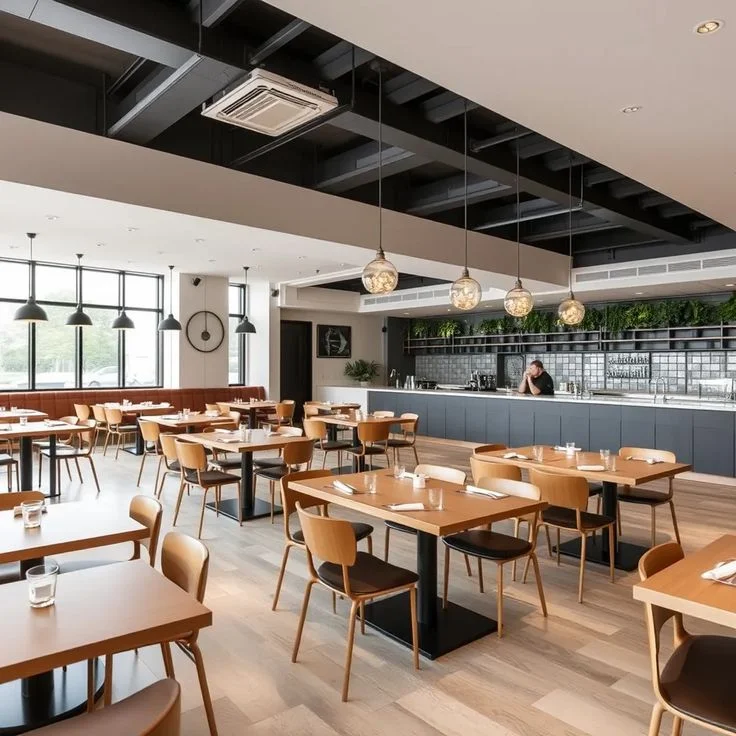
A mixed seating plan should have an operational reason. Movable chairs can support changing party sizes; a fixed seating area can establish a more consistent room arrangement. Decide where each approach is useful before choosing finishes.
Review restaurant seating options with the people who will run the venue. Ask them to demonstrate pulling out a chair, carrying it, and cleaning around it. If stacking matters, request a demonstration of the specific model rather than judging from its shape.
For restaurant booths and banquettes, test the entrance and the seating position with the intended table. Pay particular attention to the person seated furthest from the aisle. Can that guest leave without an awkward sequence of movements?
Include nearby sockets, columns, curtains, and service stations in the review. A furniture plan becomes more useful when it includes the objects that compete for the same space.
4. Make Cleaning Part of Material Selection
Give your supplier a description of your cleaning routine before approving surfaces and upholstery. Include the products your staff use and how often furniture is wiped down.
Ask for care instructions for the exact proposed finish. If stain resistance is a priority, agree on a practical sample evaluation using representative spills and the approved cleaning method. Record what was tested and how the result was assessed.
Look closely at seams, edges, and joints during that review. A broad, easy-to-wipe surface is only one part of the product; crumbs and spills may reach less accessible areas.
A terrace needs its own brief. When reviewing commercial outdoor furniture, explain whether the area is covered, where furniture will be stored, and what exposure it will face. Ask the supplier to confirm suitability and care requirements for that setting.
5. Decide What a Sample Must Prove
“Sample approved” is useful only when everyone understands what was approved.
A finish swatch can help establish color and texture. It cannot settle questions about the comfort of a complete chair or the appearance of a full booth. Choose the sample format according to the uncertainty you need to resolve.
Before the review, write down the decisions to be made: appearance under the venue’s lighting, sitting comfort, assembly, or the fit between products. Photograph the approved reference and attach its identification to the order documents.
If a later change affects a feature already approved, record the change explicitly. A different fabric, revised cushion, or altered dimension should not disappear into an email thread with no clear final decision.
6. Compare What Each Quotation Actually Includes
Two quotations are difficult to compare when the specifications differ. A lower unit price may reflect a different product, packing method, or scope of supply.
Use one comparison sheet and ask each supplier to fill in the same fields:
| Item to compare | Question to resolve |
|---|---|
| Product specification | Are dimensions, materials, finishes, and quantities equivalent? |
| Assembly | What arrives assembled, and what work remains on site? |
| Samples | What is included, what costs extra, and when is approval needed? |
| Packing | How will cartons or crates be identified by item and room area? |
| Delivery scope | Which transport stages and handling services are included? |
| After-sales support | What terms apply, and how are replacement parts requested? |
Keep unresolved items visible. A blank field is a question to answer before commitment, rather than an invitation to assume the most favorable interpretation.
7. Plan the Route from Delivery Vehicle to Dining Room
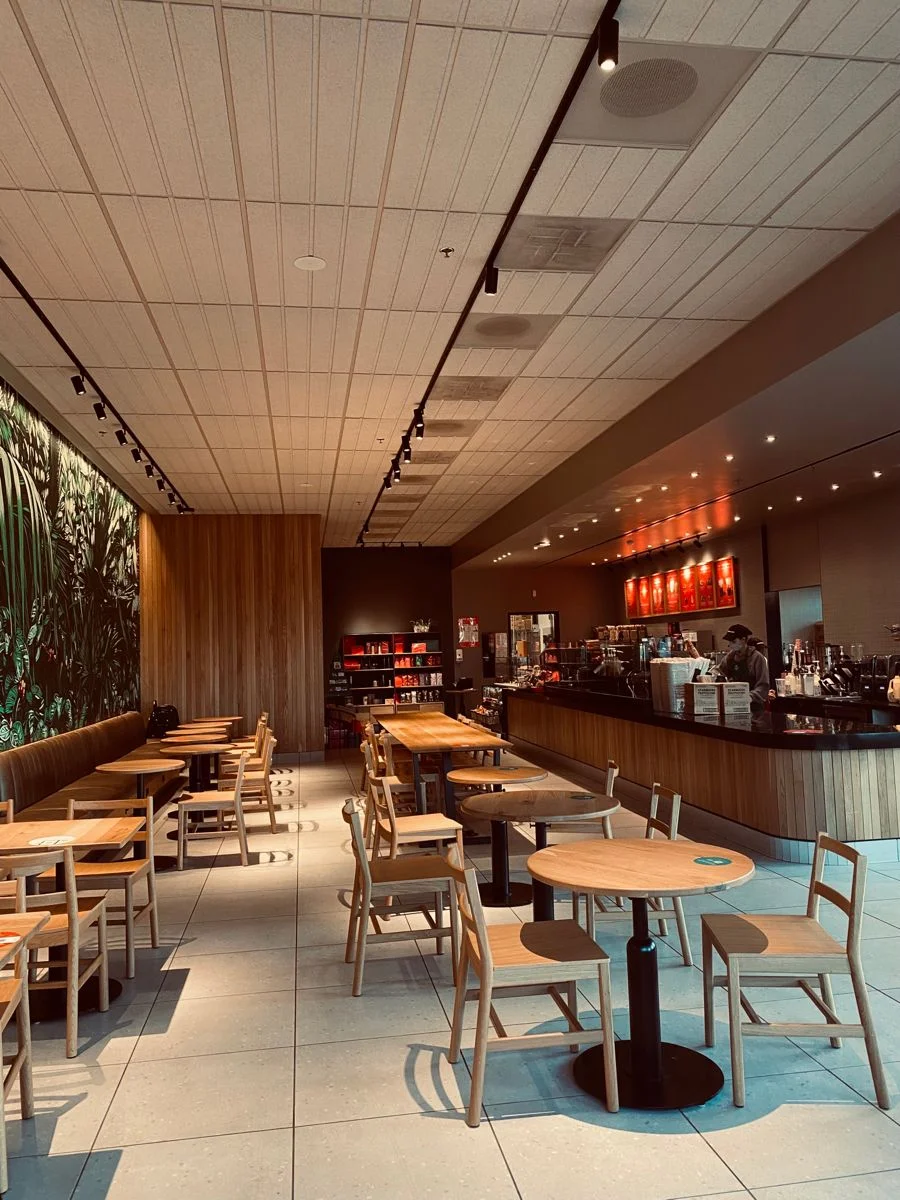
Work backward from the date the restaurant needs to be ready for staff training and setup. Separate production completion, dispatch, arrival, unloading, assembly, and installation in your schedule.
Then review the physical delivery route. Measure the relevant doors, lifts, turns, and access points, and compare them with packed dimensions. Identify where incoming furniture can wait without blocking other contractors.
Assign someone to receive the shipment and reconcile package labels with the furniture schedule. Agree on a process for recording visible damage, missing components, and installation questions. Keep assembly instructions and the supplier’s contact details available to that person.
An opening schedule is easier to manage when these responsibilities are settled before the truck arrives.
Prepare One Clear Brief for Your Furniture Supplier
Bring your decisions together in a single project brief: venue type, layout, quantities by item, reference images, preferred finishes, delivery location, and required dates. Label uncertain details as questions so they can be resolved before the order is finalized.
Ready to discuss your project? Send your furniture brief to LONGG to review product options, customization requirements, and a project-specific quotation. A clear brief gives the discussion a practical starting point and helps keep the final order aligned with how your restaurant will operate.