
Commercial Hospitality Furniture Guide 2026: Materials, Testing & Customization
July 26, 2026
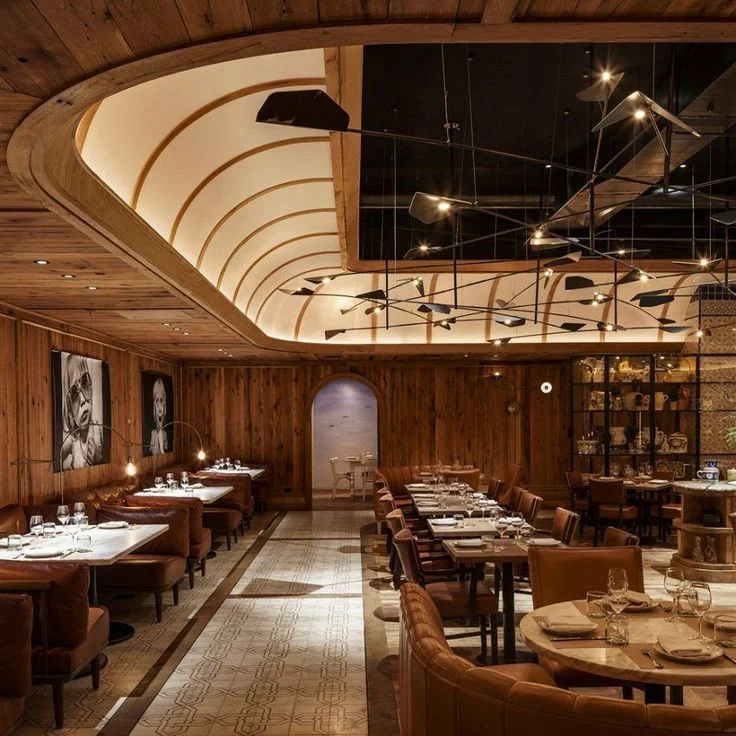
Commercial hospitality furniture should be specified around the venue, expected traffic, cleaning routine, local regulations, and replacement plan—not appearance alone. A reliable specification connects each material and construction choice to a measurable requirement, then confirms it through drawings, samples, relevant test evidence, and documented quality-control checkpoints.
Key takeaway
Start with the use case, not a product label. Define where the furniture will be used, how often it will be moved and cleaned, which regulations apply, and what evidence the supplier must provide before mass production.
In this guide
- What makes furniture commercial grade?
- How to choose materials
- Which tests and standards matter?
- Custom manufacturing or catalog sourcing?
- How to evaluate a supplier
- Frequently asked questions
What Makes Hospitality Furniture Commercial Grade?
“Commercial grade” is not one universal certification. It usually means that a product has been designed, built, and documented for the loads, frequency of use, maintenance, and regulatory requirements of a commercial setting. The required evidence will vary by product, market, venue, and contract.
A useful specification should define:
- Intended use: indoor or outdoor, fixed or frequently moved, dining, bar, lounge, banquet, or waiting area.
- Expected conditions: traffic level, user profile, humidity, sunlight, coastal exposure, cleaning chemicals, and floor type.
- Construction: frame material, joint method, hardware, glides, foam, upholstery, edge details, and replaceable parts.
- Acceptance evidence: approved drawings, finish samples, pre-production sample, applicable test reports, inspection criteria, and packaging standard.
How to Choose Materials for High-Traffic Spaces
The best material is the one that matches the operating environment and can be manufactured consistently. Ask the supplier to state the material grade, thickness, finish system, maintenance limits, and approved sample—not only a generic material name.
| Component | What to specify | Common risks to check |
|---|---|---|
| Solid wood and wood-based panels | Species or panel type, moisture target appropriate to production and destination, joint construction, finish system, edge sealing, and color tolerance | Movement, joint loosening, veneer damage, inconsistent stain, and swelling at unsealed edges |
| Steel or aluminum frames | Alloy or grade, section dimensions, wall thickness, weld and fastener details, pretreatment, coating, and corrosion requirement for the destination | Thin sections, incomplete welds, coating damage, galvanic corrosion, and unstable floor contact |
| Upholstery | Fabric composition, abrasion method and project threshold, colorfastness, cleaning method, seam construction, foam specification, and applicable fire requirement | Using a rub count as the only quality measure, dye transfer, seam failure, unsuitable cleaners, and reports for a different fabric or composite |
| Tabletops | Core, surface, edge, substrate thickness, support span, resistance requirements, heat limits, and care instructions | Edge chipping, water ingress, staining, scratching, heat marks, and insufficient support |
| Outdoor components | UV exposure, drainage, corrosion environment, fasteners, finish, storage plan, and replaceable cushions or glides | Trapped water, fading, mixed-metal corrosion, wind instability, and indoor-only materials used outdoors |
For related options, review LONGG’s commercial seating, restaurant tables, and outdoor furniture. Product suitability should still be confirmed against the written project specification.
Which Furniture Tests and Standards Matter?
Request standards by product and destination. A report is relevant only when the tested model, construction, material combination, test method, edition, laboratory, and date align with the furniture being purchased.
| Reference | What it covers | How to use it in procurement |
|---|---|---|
| ISO 7173:2023 | Strength and durability test methods for chairs and stools | Identify the exact seating configuration and agree on the required test plan before ordering. |
| ISO 19682:2023 | Stability, strength, and durability test methods for tables | Confirm that the tested size, base, column, top, and fixing method represent the ordered table. |
| ISO 4211-1:2025 | Assessment of furniture surface resistance to cold liquids | Select relevant liquids and exposure conditions according to the venue’s service and cleaning routine. |
| ISO 12947-2:2016 | Martindale determination of fabric abrasion resistance by specimen breakdown | Set the acceptance threshold with the specifier or textile supplier; the method itself is not a universal “commercial-grade” rub-count rule. |
| California TB 117-2013 and BS 5852:2006 | Different methods and scopes for assessing upholstered-furniture ignitability | Do not treat them as interchangeable. Confirm the jurisdiction, occupancy, ignition source, complete composite, and documentation required by the project. |
| 2010 ADA Standards, Section 902 | Dining and work surfaces for applicable U.S. projects, including clear floor space, knee/toe clearance, and surface height | Coordinate accessible tables with the floor plan and applicable code review; Section 902 specifies a 28–34 inch dining-surface height range. |
Important: standards, building rules, fire requirements, and accessibility obligations depend on the destination and project. The designer, purchaser, testing laboratory, and local authority should confirm the final requirement set.
Custom Manufacturing or Catalog Sourcing?
| Consideration | Catalog product | Custom or OEM/ODM product |
|---|---|---|
| Speed | Usually faster when the model and finish are already established | Requires time for drawings, samples, approvals, tooling if needed, and production validation |
| Design control | Limited to available sizes, finishes, and upholstery options | Can align dimensions, finishes, materials, branding, and details with the design brief |
| Risk | Lower development risk, but fit and finish options may be constrained | Higher approval burden; control samples and change management are essential |
| Best fit | Smaller orders, replacements, and schedules with limited development time | Multi-site rollouts, distinctive interiors, unusual dimensions, or defined performance requirements |
For custom projects, freeze the approved drawing, bill of materials, finish sample, upholstery direction, labeling, packaging, and inspection criteria before mass production. Record every approved change in writing.
Commercial Furniture Supplier Evaluation Checklist
- Send a complete brief. Include quantities, destination, floor plan, dimensions, reference images, expected use, finish direction, required standards, target schedule, and budget range.
- Review technical drawings. Check overall size, seat height, table clearance, frame sections, joints, fixing points, floor glides, edge profiles, and tolerances.
- Approve physical samples. Keep a signed control sample or clearly identified finish, upholstery, and hardware samples for production comparison.
- Verify test evidence. Match the report to the actual model and material composite; check the standard edition, laboratory, result, date, and report limitations.
- Define quality checkpoints. Agree on incoming-material checks, first-article review, in-process inspection, final inspection, and acceptable-quality criteria.
- Test packaging and logistics. Confirm carton construction, edge protection, stacking, labeling, assembly instructions, spare parts, container loading, Incoterms, and damage-claim procedure.
- Read the written warranty. There is no universal commercial warranty minimum. Compare duration, coverage, exclusions, maintenance obligations, claims process, and parts availability.
Common Specification Mistakes
- Choosing from appearance alone without defining use conditions.
- Writing “commercial grade” without measurable acceptance criteria.
- Assuming one fabric rub count predicts seam strength, colorfastness, cleanability, fire behavior, and real-world lifespan.
- Accepting a test report without matching it to the ordered model and material combination.
- Approving a digital color only; wood, metal, stone, laminate, and textile finishes should be checked on physical samples.
- Leaving accessibility, aisle clearances, table-base position, and chair movement until installation.
- Comparing prices without aligning specifications, packaging, warranty terms, Incoterms, and inspection scope.
Frequently Asked Questions
How long should commercial restaurant furniture last?
There is no responsible universal lifespan. Service life depends on construction, use intensity, user behavior, climate, cleaning, maintenance, repairability, and whether the product was specified correctly. Ask suppliers for relevant test evidence and written care and warranty terms instead of relying on a single lifespan claim.
Is a high Martindale rub count enough for restaurant upholstery?
No. Abrasion is only one property. Also review seam performance, tensile or tear performance where relevant, pilling, colorfastness, cleanability, backing, foam, fire requirements, and the complete upholstered construction.
Are CA TB 117-2013 and BS 5852 equivalent?
No. They have different scopes and test procedures. The correct requirement depends on the product, ignition source, occupancy, destination, and project specification.
What should be approved before custom furniture production?
At minimum: dimensioned drawings, bill of materials, finish and upholstery samples, hardware, labeling, packaging, assembly method, inspection criteria, and one clearly identified pre-production sample when the project warrants it.
What information helps a factory quote accurately?
Provide product references, quantities, dimensions, materials, finishes, upholstery, intended environment, destination, testing requirements, packaging, delivery terms, and required date. A complete brief reduces assumptions and makes supplier quotations easier to compare.
Plan Your Hospitality Furniture Project with LONGG
Founded in 2016 in Guangzhou, LONGG Furniture supplies custom restaurant chairs, tables, booth seating, and indoor and outdoor furniture for hospitality projects. Share your drawings, quantities, destination, material direction, and performance requirements so the project team can review manufacturability and prepare a project-specific proposal.
Explore selected hospitality furniture projects or contact LONGG to discuss your specification.