Direct answer: there is no defensible universal “top 10” list of hospitality furniture manufacturers in China. Supplier fit depends on your scope, market requirements, quantities, design, schedule, and risk. Compare candidates through the same RFQ, drawings, samples, test evidence, quality plan, export documents, and warranty terms.
Editorial disclosure
This guide is published by LONGG Furniture, a China-based commercial furniture supplier that may be considered by buyers. It is not an independent ranking, and LONGG is not presented as number one. Apply the same checks to LONGG and every other candidate, using independent advisers where appropriate.
1. Define the hospitality furniture scope before searching
“Hospitality furniture” can describe very different packages. A factory that is suitable for repeat restaurant chairs may not be suitable for custom hotel casegoods, upholstered lobby furniture, banquet equipment, or outdoor products. Begin with a room-by-room or area-by-area bill of quantities rather than a list of attractive images.
- Restaurant and café: tables, chairs, stools, booths and service furniture.
- Hotel guestroom: headboards, nightstands, desks, wardrobes and loose seating.
- Public area: lobby seating, communal tables and reception furniture.
- Outdoor: dining, lounge, shade and poolside furniture suited to the project climate.
For combined packages, compare one accountable coordinator with category specialists. Consolidation helps only when the supplier can demonstrate control over every process and subcontractor in scope.
2. Send every candidate the same RFQ
Comparisons fail when candidates quote different assumptions. Identify the project, destination, arrival date, item quantities, drawings, dimensions, materials, finishes, upholstery, hardware, performance, packaging, installation, documentation, and spares.
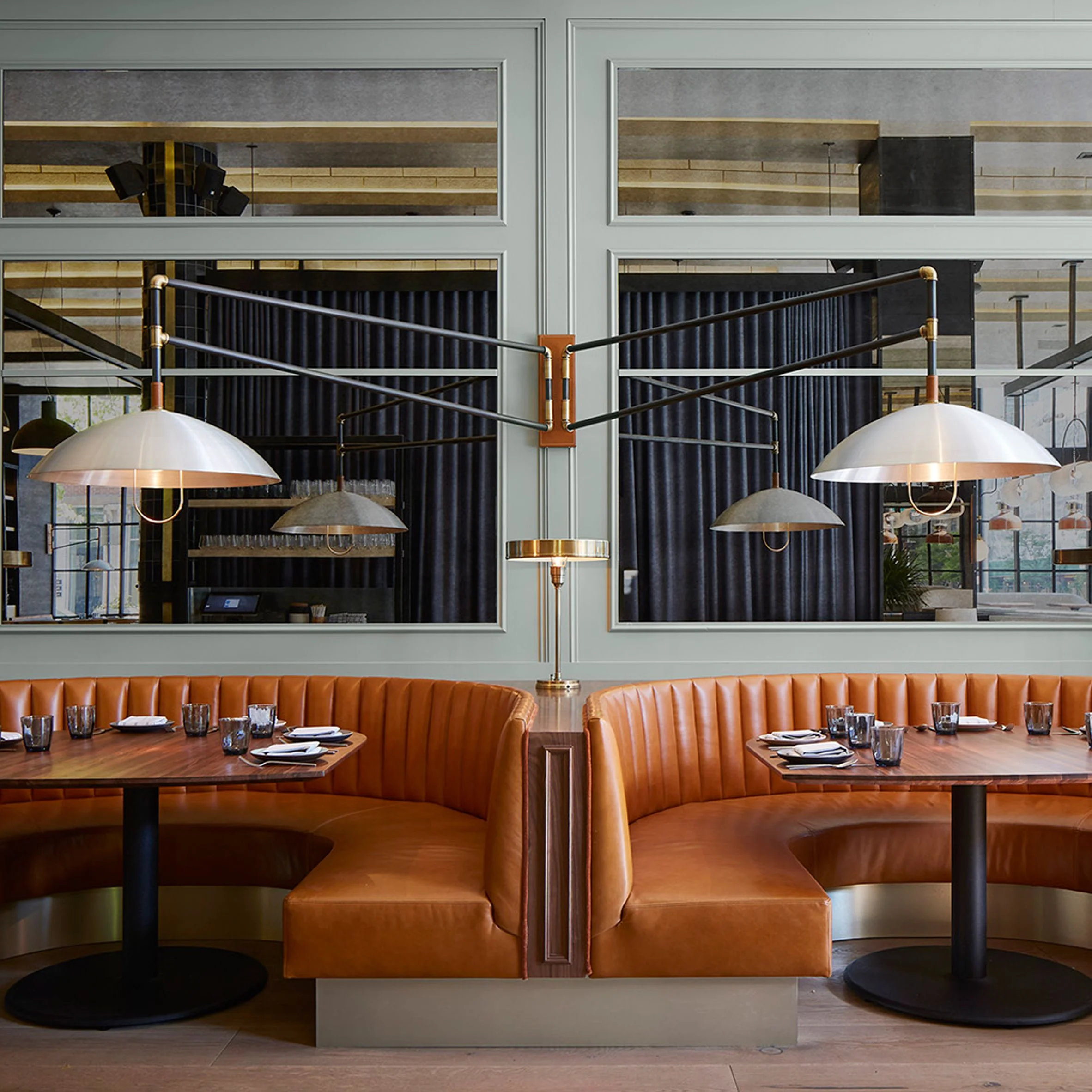
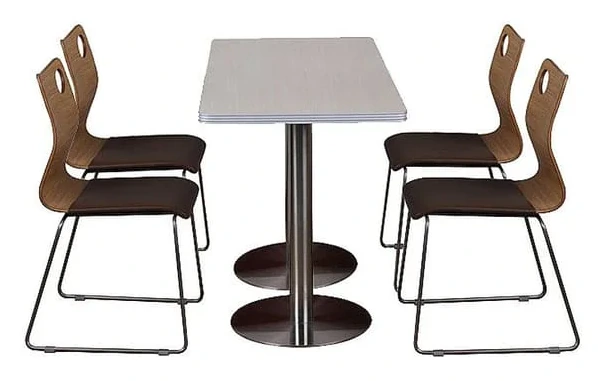
Give every item a code and revision. Mark fixed dimensions, permitted alternatives, customer-supplied materials, market requirements, and sample needs. Separate commercial restaurant tables, commercial seating, and restaurant booth seating because their interfaces and checks differ.
Minimum RFQ attachment list
- Bill of quantities with item codes, quantities and delivery phases
- Dimensioned drawings or clearly marked reference images
- Material, finish, upholstery and hardware schedule
- Required test standards and document format, confirmed for the destination and use
- Packaging, labelling, pallet or container-loading requirements
- Requested Incoterms® rule, named place or port, and rule version
- Quote-validity period, target approval dates and required shipment window
3. Verify the company, facility, and production route
Do not treat a website, showroom, trade-platform badge, or video as proof that all work is performed by the named supplier. Ask for the legal entity name, business registration, factory address, quotation entity, contract entity, and beneficiary bank account. Resolve unexplained differences before paying a deposit.
Map the production route for the quoted items: in-house work, outsourced processes, material purchasing, subcontractor approval, and incoming inspection. A transparent trading company with effective control may fit better than a factory with the wrong equipment; accountability matters more than the label.
Match each claim to evidence
- Manufacturing: inspect the relevant line, process records and outsourced-work controls.
- Certification: verify the holder, number, current status and scope in the issuer’s database.
- Testing: obtain the complete report for the quoted model and materials, not selected pages for another product.
- Project experience: request traceable comparable references and client contact only with permission.
4. Normalize quotations before comparing price
Request line-item pricing showing revision, specification, quantity, unit price, samples, tooling, packaging, packed size and weight, exclusions, milestones, assumptions, validity, and one deviation schedule.
Record the Incoterms® rule with a named place and version, for example “FCA [named place], Incoterms® 2020,” instead of accepting vague labels such as “FOB price.” Incoterms® allocate defined delivery tasks, costs, and risks, but they do not replace the sales contract or settle product specifications, title, payment, warranty, or dispute terms. Consult the International Chamber of Commerce’s official Incoterms® resources and your freight or legal adviser.
Compare landed and operational cost, including samples, inspection, tooling, packaging, freight, insurance, customs, duties, storage, installation, spares, and failure risk.
5. Lock the specification with samples and shop drawings
A reference image is not a production specification. Before mass production, approve dimensioned shop drawings and, where project risk justifies it, a physical sample or room mock-up. The drawing set should state dimensions and tolerances, materials and grades, joint construction, hardware, finish system, upholstery direction and seams, floor or wall fixing, service cut-outs, assembly method, labels, and packaging.
Create a signed “golden sample” or material board, labelled with the code, revision, date, and approvers. Define how colour, grain, gloss, texture, stitching, comfort, and workmanship will be judged. The contract should resolve conflicts between samples and drawings.
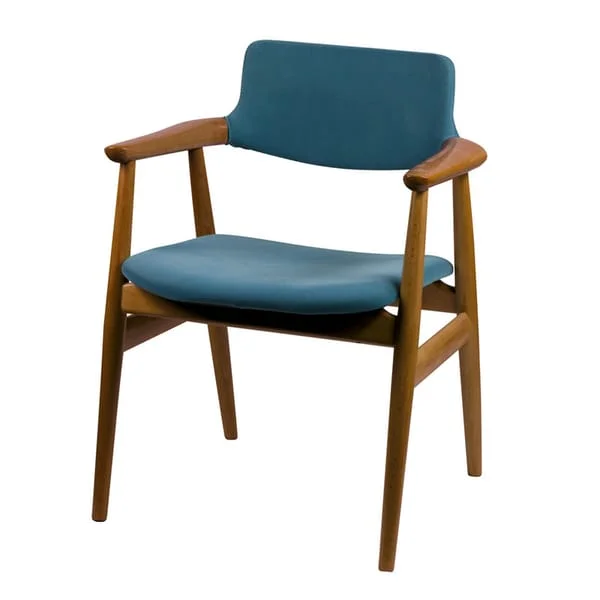
For early design decisions, compare physical finishes rather than screen colours. Buyers may review LONGG’s materials and swatches as one starting point, but any selected material must still be confirmed against the project specification and an approved physical sample.
6. Check compliance at product and destination level
There is no single certificate that makes every item suitable for every hotel or restaurant. Requirements can vary by country, state or province, venue, occupancy type, product, material, and contract. The buyer or importer should confirm the applicable rules with qualified local advisers before finalizing the RFQ.
Match each test to the purchased product, construction, and materials. Check the standard edition, laboratory, relevant accreditation scope, date, full result, and limitations. Do not apply a report automatically to a different construction.
For U.S.-bound goods containing regulated composite wood, review the U.S. EPA’s TSCA Title VI information. If a forest-certification claim is part of the purchase, verify the holder and current certificate scope through the official FSC certificate search. These examples do not replace a project-specific compliance review.
7. Agree the inspection plan before production
Connect the approved specification to pre-production material checks, first-article review, in-process checks, pre-shipment inspection, and loading supervision as needed. Define defect classes with product-specific examples and the remedy for failure.
If sampling inspection is used, agree the current standard, inspection level, acceptance limits, lot definition, and reinspection procedure in writing. ISO 2859-1:2026 provides acceptance-sampling schemes for inspection by attributes, but sampling is not a substitute for required safety testing and does not guarantee that every unit is defect-free.
Check quantity, identity, dimensions, function, finish, upholstery, joints, welds, hardware, assembly, labels, accessories, cartons, marks, and packed measurements. Retain traceable photographs, approvals, reports, corrective actions, and loading evidence.
8. Plan packaging, shipping, import, and after-sales support
Approve packaging before shipment: unit, corner and edge protection; appropriate moisture precautions; hardware storage; instructions; labels; palletization; and loading orientation. Account for warehouse and site handling.
Before ordering, assign responsibility for tariff classification, origin information, import licences or declarations, customs valuation, broker instructions, duties and taxes, and destination delivery. U.S. buyers can begin with U.S. Customs and Border Protection’s importing guidance; the importer of record remains responsible for accurate entry information even when using a customs broker.
Define the warranty start, duration, coverage, exclusions, claim evidence, remedy, and responsibility for parts, freight, and labour. Agree a spare-parts list and reorder codes; “after-sales support” alone is not a warranty.
9. Build an evidence-based shortlist
Find candidates through referrals, trade events, directories, project teams, and search, treating them as leads rather than endorsements. Prequalify, then ask a manageable group to quote the same package. Three to five qualified suppliers are usually more useful than an unverified “top 10.”
The weighting below is an example, not an independent rating. Change it to match your project and score only evidence received for the current RFQ.
| Evaluation area | Example weight | Evidence |
|---|---|---|
| Technical and specification fit | 25% | Compliant offer, drawings, samples and deviation schedule |
| Quality and compliance control | 20% | Relevant reports, QC plan, inspection records and corrective-action process |
| Comparable project capability | 15% | Traceable references and demonstrated production route |
| Schedule and capacity plan | 15% | Material plan, production schedule, dependencies and milestone reporting |
| Commercial and landed cost | 15% | Normalized quotation, payment terms, exclusions and logistics assumptions |
| Warranty and communication | 10% | Named contacts, escalation route, written warranty and spare-parts plan |
Do not score list position, logo count, or headline price. Record the evidence behind each score; use samples, audits, and clarifications to resolve close results.
Questions to ask every shortlisted manufacturer
- Which legal entity will quote, contract, invoice, receive payment, and provide the warranty?
- Which processes for these exact items are in-house, and which are subcontracted?
- What information is still missing from our RFQ, and what assumptions are in your price?
- Which reports apply to the quoted model and destination, and how can they be verified?
- What sample, drawing, and finish approvals are required before production?
- What are the proposed QC checkpoints, defect definitions, and remedies?
- What could change the production or shipping schedule?
- What does the warranty cover, and who pays freight and labour for an accepted claim?
Frequently asked questions
Should I buy directly from a factory?
Not automatically. A capable factory may provide direct process control, while a capable sourcing or project company may coordinate several specialist processes. Verify who controls specifications, subcontractors, quality, delivery, and warranty.
Does a sample guarantee the production batch?
No. A sample establishes an approval reference. Batch consistency still requires controlled materials, signed drawings, production checkpoints, and an agreed inspection and remedy process.
How can I confirm a certificate or test report?
Check the issuing body or official database, certificate holder, current status, scope, model, materials, test standard, date, and complete result. Contact the issuer or laboratory if the document cannot be authenticated.
What is the biggest mistake in comparing quotations?
Comparing headline unit prices before normalizing materials, construction, testing, packaging, trade terms, exclusions, schedule assumptions, warranty, and landed costs.
Prepare a comparable hospitality furniture RFQ
Use this framework with every candidate, including LONGG. You can review LONGG’s published project pages and relevant outdoor hospitality furniture, table, seating, and booth categories as possible references; request the underlying specifications and evidence that apply to your project rather than relying on marketing claims.
Send your BOQ, drawings, destination, quantities, and required delivery date. LONGG can identify which items are quotable from the information supplied and list the points that need clarification. You remain free to compare that response against other qualified suppliers using the same scorecard.