
A practical buyer guide to evaluating commercial restaurant furniture manufacturers and suppliers.
Prepared by LONGG Furniture for restaurant owners, hospitality operators and project buyers. This is a supplier evaluation guide written by a manufacturer, not an independent industry ranking or customer satisfaction study.
Choose a manufacturer for your project requirements
The right commercial restaurant furniture supplier depends on your furniture schedule, intended use, materials, customization needs, approval process and delivery destination. A supplier suitable for a small cafe may need different capabilities from one supplying a restaurant chain or an outdoor dining area. Evaluate the proposed products and the supplier's evidence against your own project requirements.
This guide does not assign ranks, scores, percentages or fixed production timelines to LONGG or other manufacturers. Buyers should request current, project-specific information directly from each supplier and confirm important commitments in writing.
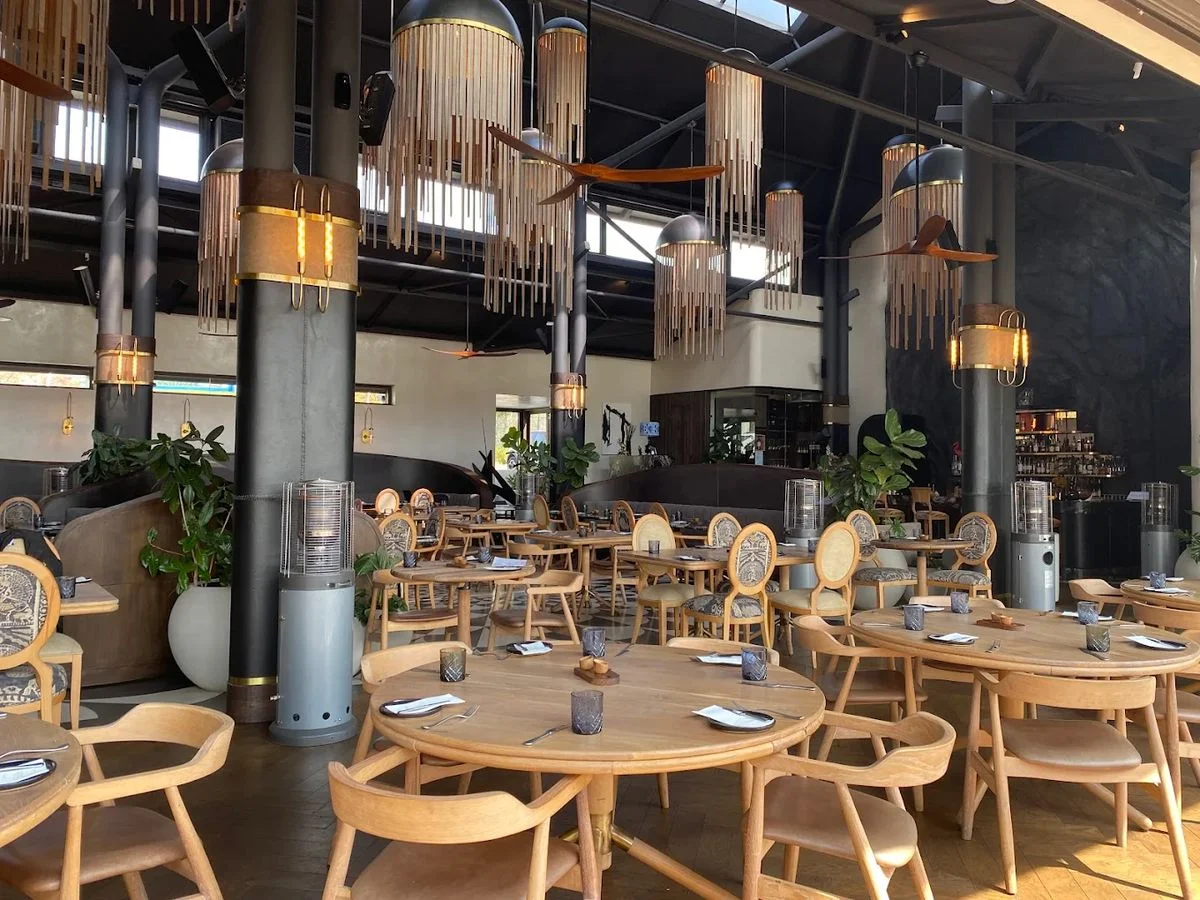
Manufacturing capability and commercial specialization
Ask what the supplier manufactures directly, what it purchases from other factories and who takes responsibility for assembly, inspection and after-sales support. Discuss the types of chairs, tables, booths, stools or outdoor furniture required for your venue. A product photograph alone does not establish the factory's capability or the suitability of a model for commercial use.
Request relevant product information, current factory or process evidence and examples of comparable work. For project references, clarify the supplier's actual scope and whether the information may be independently checked. Treat unsupported capacity claims or endorsements as questions to investigate, rather than as established facts.
Materials, construction and intended use
Compare the proposed specification, rather than broad labels such as commercial grade or premium quality. For seating, confirm frame material, joints, upholstery, cushioning, finishes and maintenance requirements. For tables, confirm the tabletop construction, edges, base, fixing method and stability requirements. Discuss indoor or outdoor exposure and the cleaning routine for the intended location.
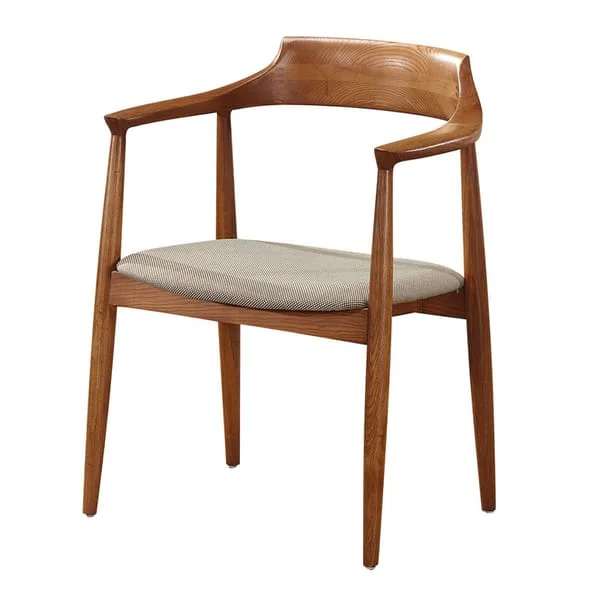
If your project requires a test report or compliance documentation, ask which exact model, material and configuration it covers, who issued it and when. Confirm applicable requirements with the project team. Do not assume that evidence for one product applies to every item in a supplier's catalogue.
Customization, drawings and samples
Identify which dimensions, materials, finishes and upholstery options can be changed for the selected model. Confirm technical limitations and the impact of changes on price, minimum order quantity, samples and scheduling. Agree on drawings, material references and approval responsibilities before production.
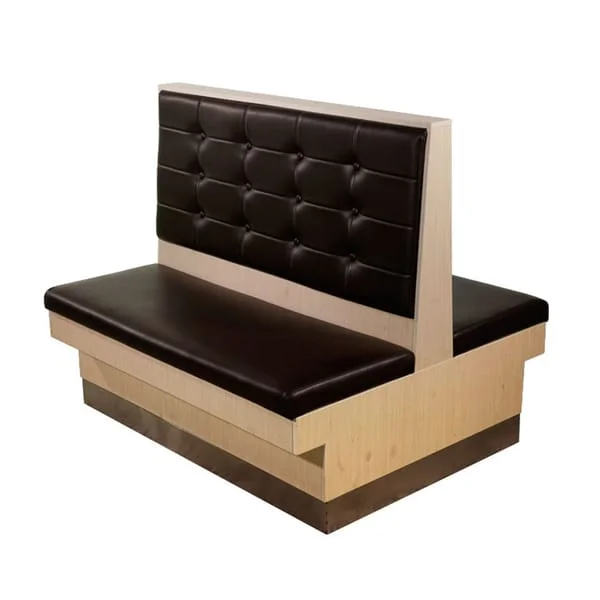
Ask whether a material sample, finish sample or complete furniture sample is appropriate for the order. Record what the sample represents and which details still need approval. A sample should be checked against an agreed specification, not only against an inspirational image.
MOQ, quotations and lead time
Request a written quotation for the actual model mix, quantities, dimensions, materials, finish and destination. Ask about minimum order quantities by model or finish, sample charges, tooling or customization costs, packing, delivery terms and what is excluded. Compare suppliers on the same scope so that a lower headline price does not conceal different materials or services.
Ask for a current schedule that separates sampling, drawing and material approval, production, inspection, dispatch and transportation. Confirm when the production lead time starts and what happens if approvals or specifications change. Delivery estimates depend on the order and logistics arrangements; this guide does not make a universal lead-time promise.
Quality control, packing and shipping
Agree on inspection stages and acceptance criteria. Depending on the furniture, checks may include dimensions, finish consistency, upholstery, assembly fit, hardware, stability and conformity to approved samples or drawings. Clarify who records results and how defects or deviations will be handled before dispatch.
Discuss packing appropriate to the material, size, weight, assembly design and transport method. Confirm shipping responsibility, delivery terms, required documents, destination requirements and the arrangements for damaged or missing items. A production completion date is different from an arrival date at the restaurant.
Warranty, support and communication
Ask for the warranty or support terms for the products you are ordering, including the scope, exclusions, claim process and any replacement-part arrangements. Identify the contact responsible for approvals, production updates and after-sales requests. Keep drawings, specifications, quotations and approvals in a shared written record.
A supplier comparison checklist
| Evaluation area | Information to request |
|---|---|
| Project fit | Relevant furniture types, intended use and confirmed supply scope |
| Product specification | Dimensions, materials, construction, finish and maintenance details |
| Customization and approval | Available changes, limitations, drawings and sample approval process |
| Commercial terms | Itemized quotation, MOQ, exclusions and payment terms |
| Scheduling | Current production and logistics estimates with dependencies |
| Inspection and delivery | Acceptance criteria, inspection records, packing and shipping responsibilities |
| Support and verification | Written warranty terms, responsible contacts and verifiable relevant evidence |
Prepare an RFQ before selecting a supplier
Send the venue type, delivery country, furniture quantities, required dimensions, material and finish references, floor plan or furniture schedule, intended use and target delivery window. Include any project-specific inspection or documentation requirements. Ask each supplier to identify assumptions, exclusions and information still needed.
LONGG is one supplier buyers can evaluate using this framework. Confirm the proposed product specification, customization feasibility, samples, MOQ, production schedule and support terms for the actual order. Select the supplier whose verified offer fits the project, rather than relying on an unsupported league table.