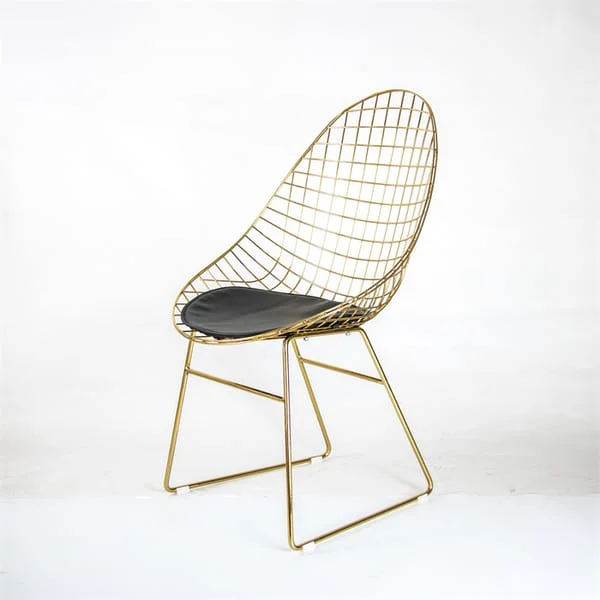
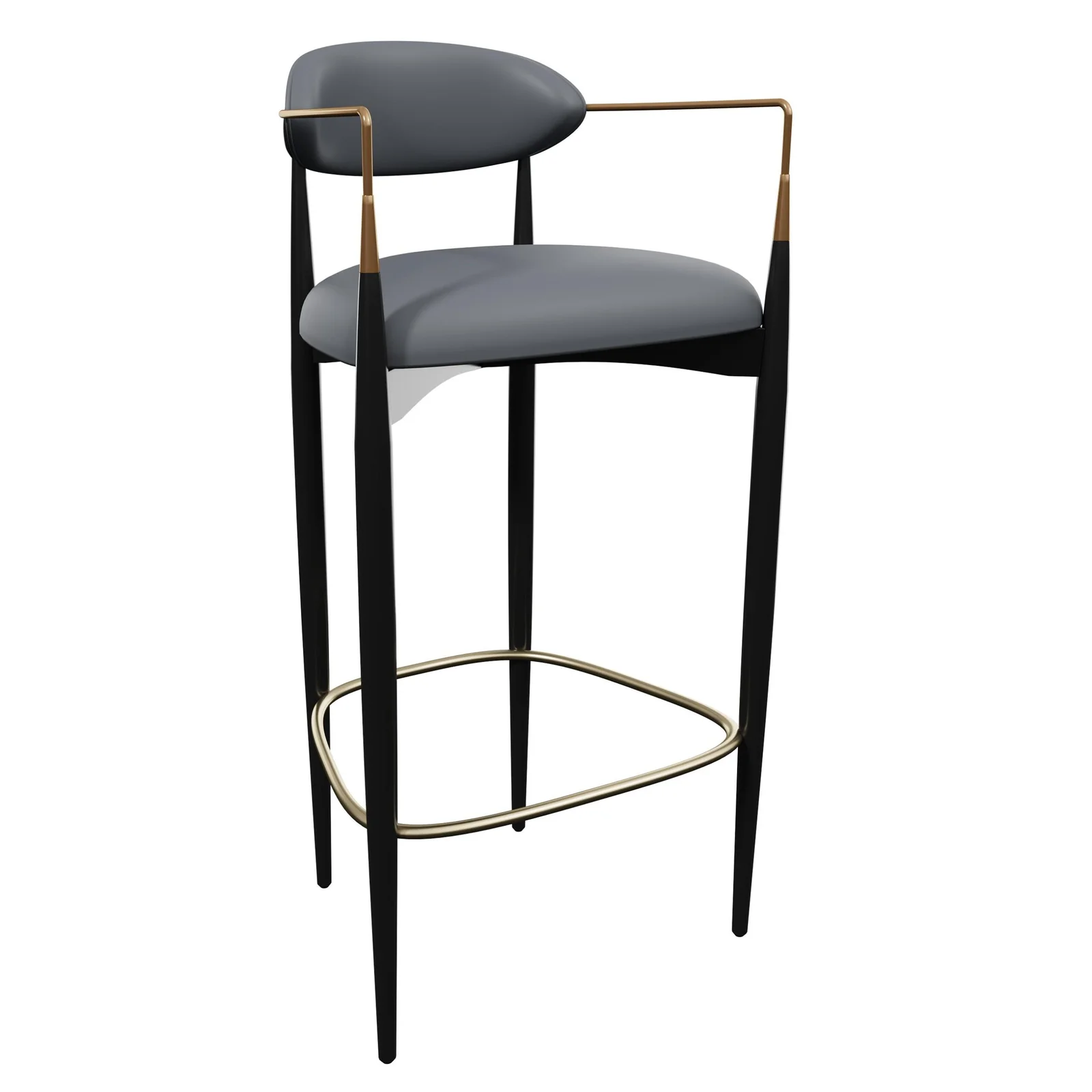
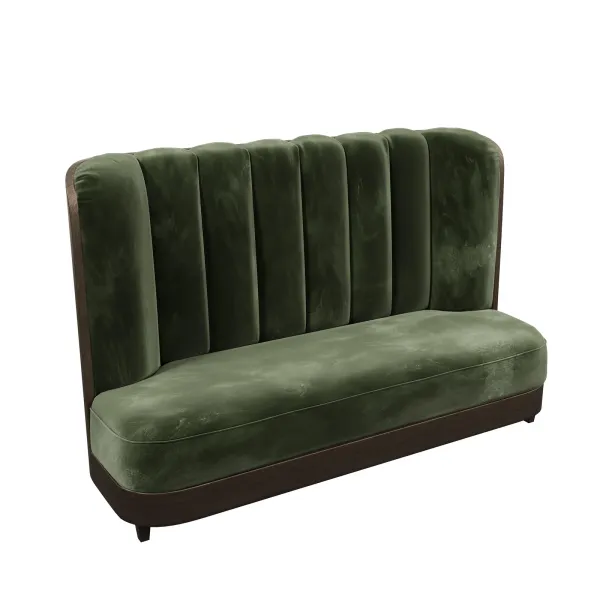
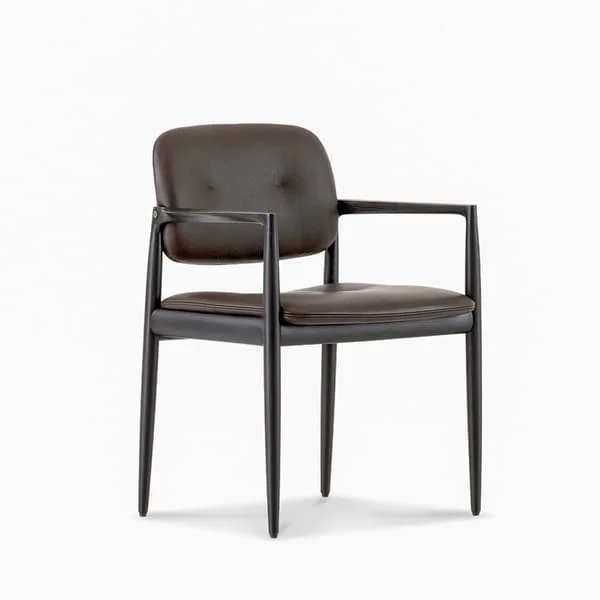
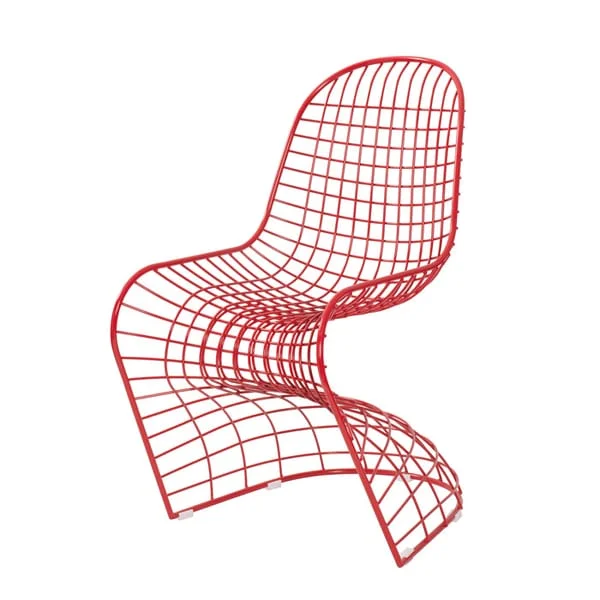
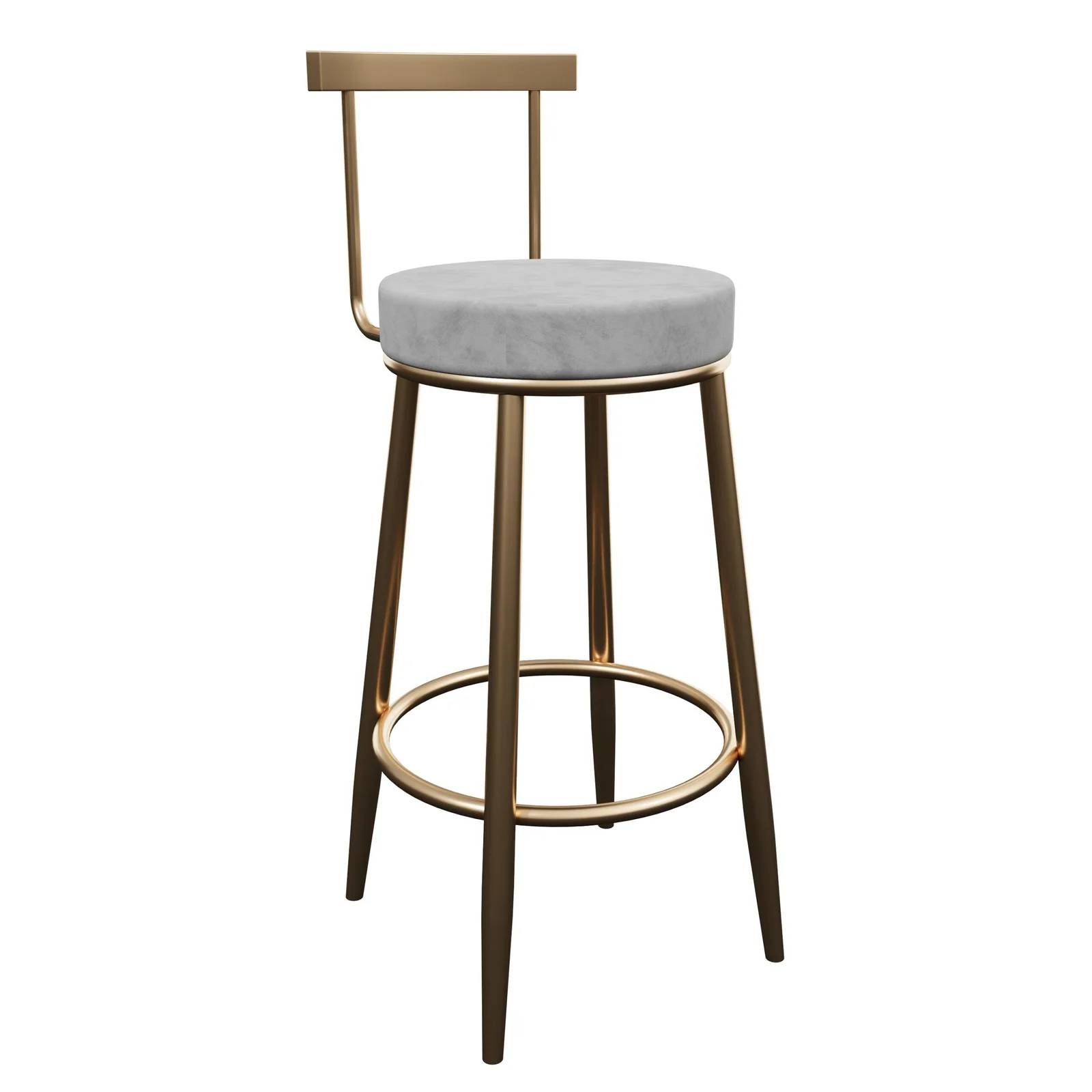
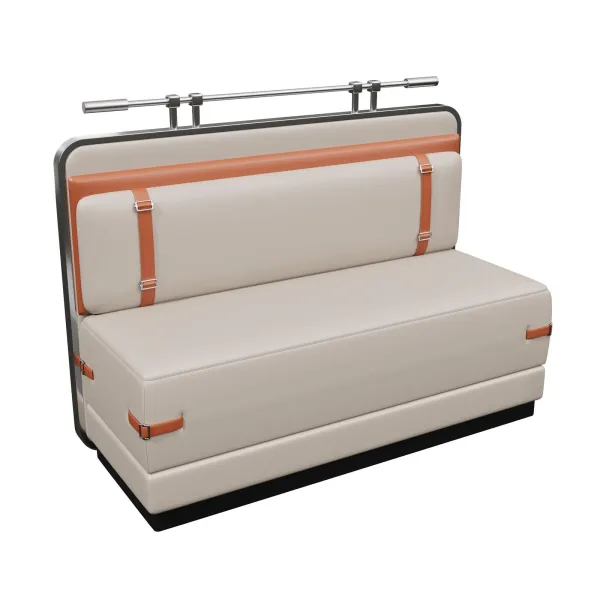
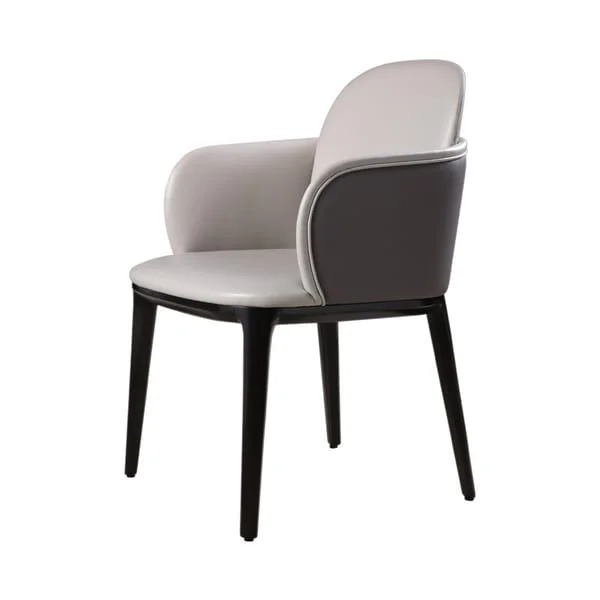
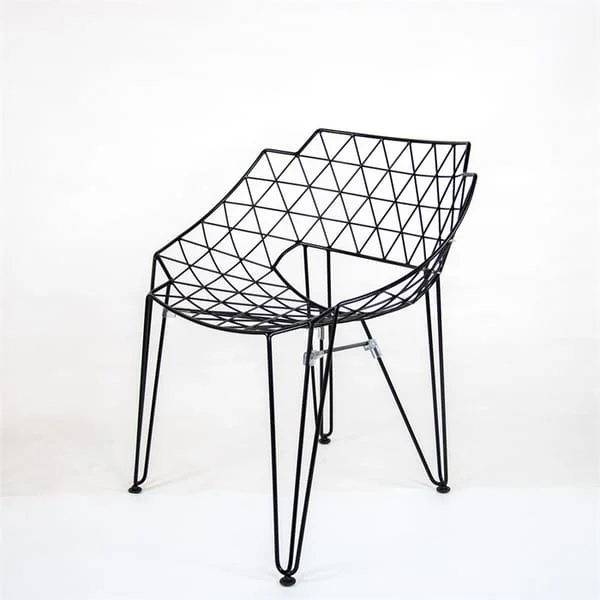
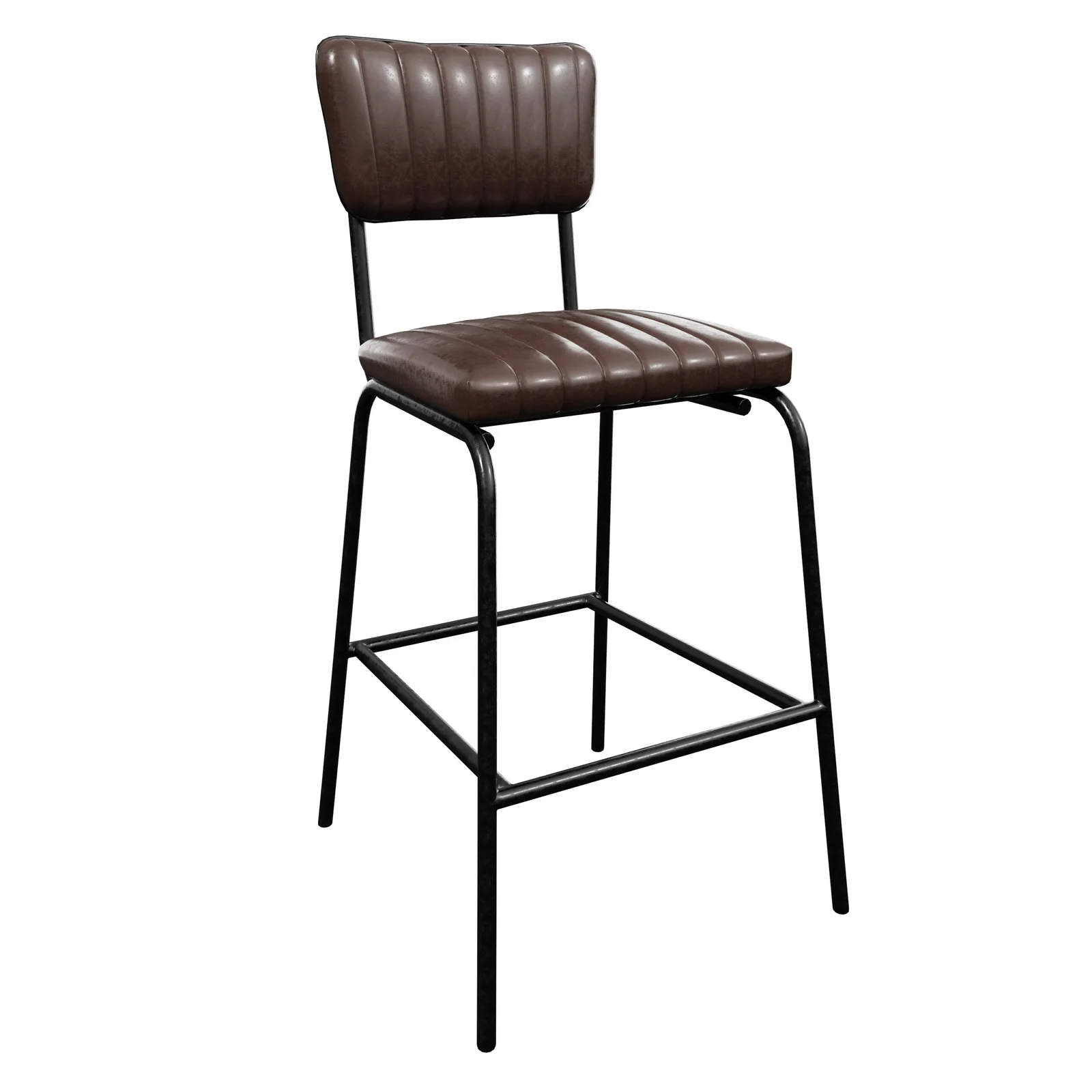
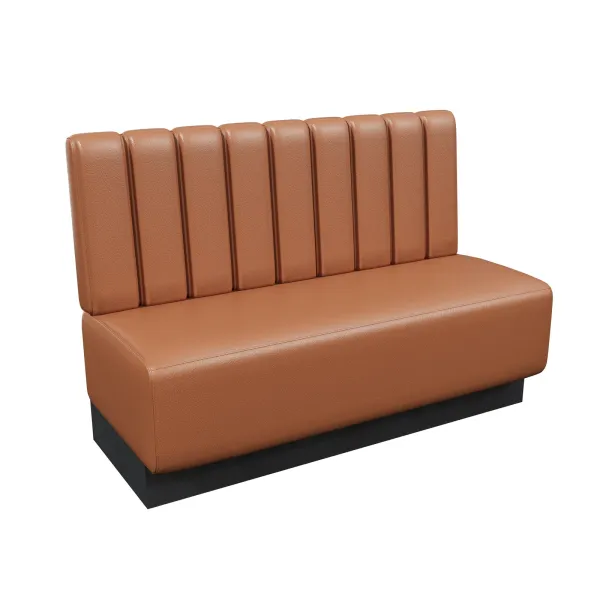
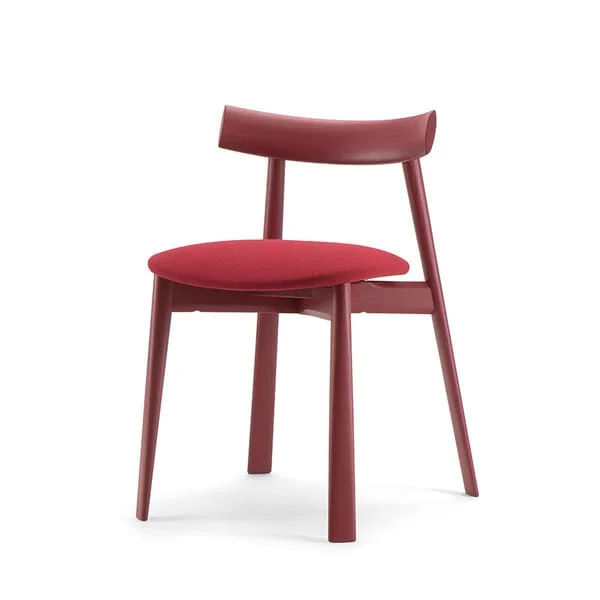
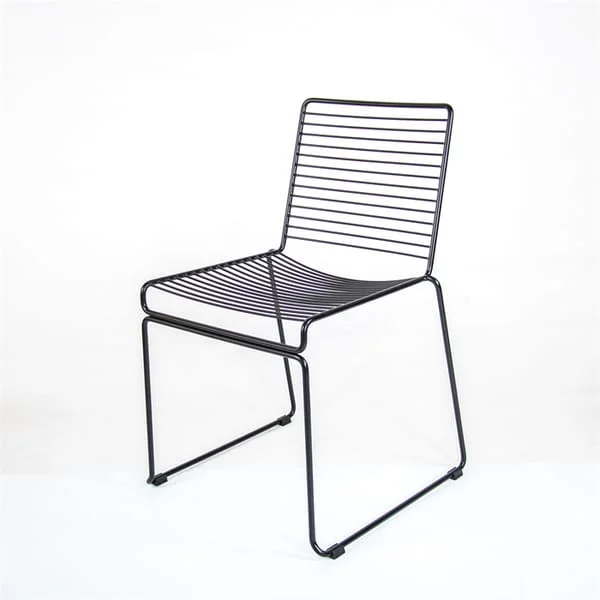
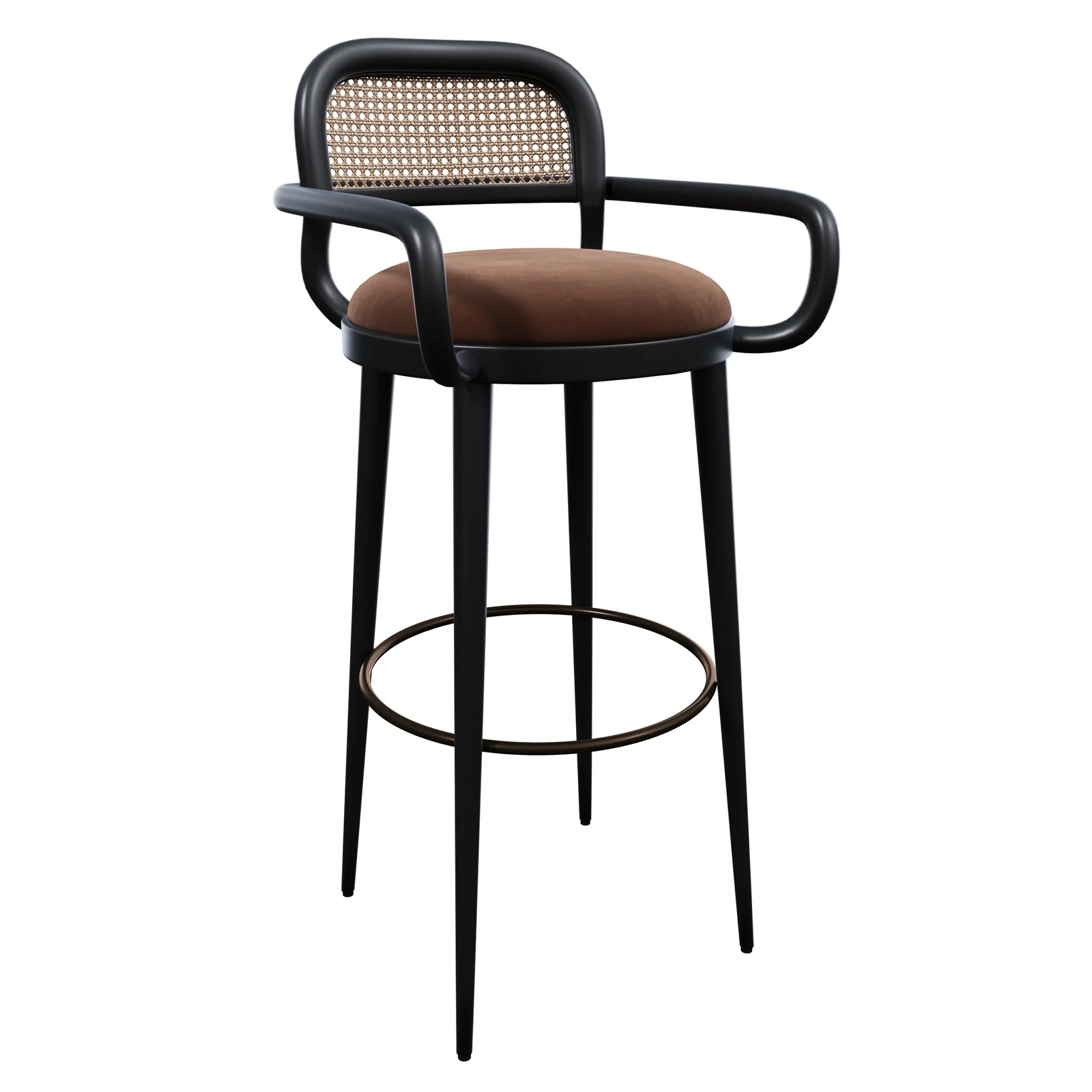
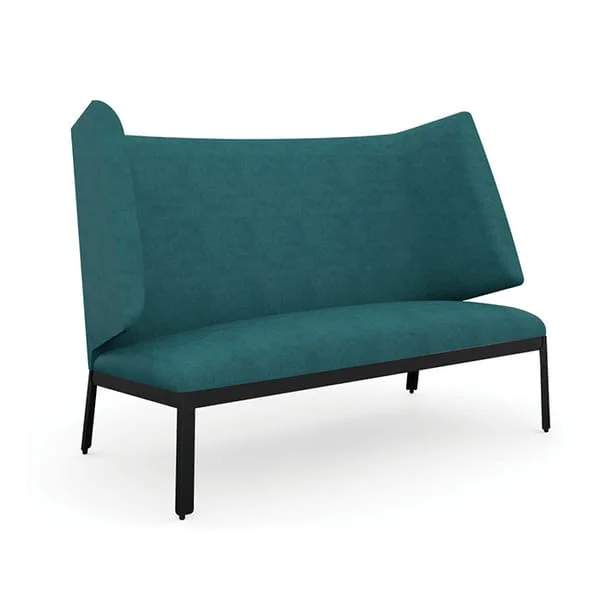
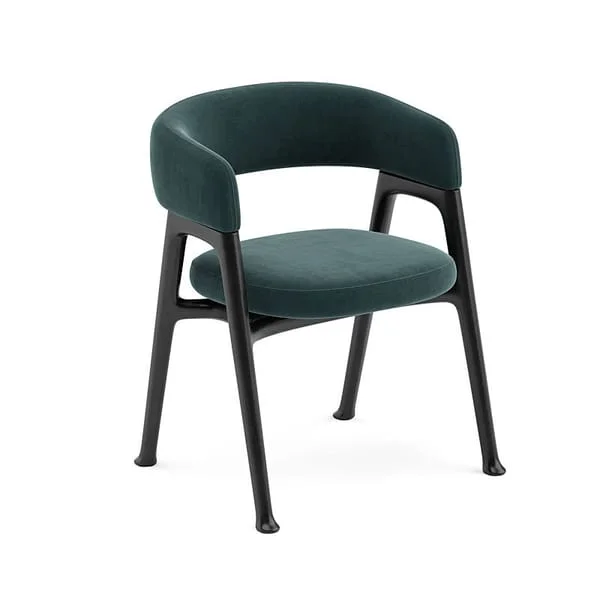
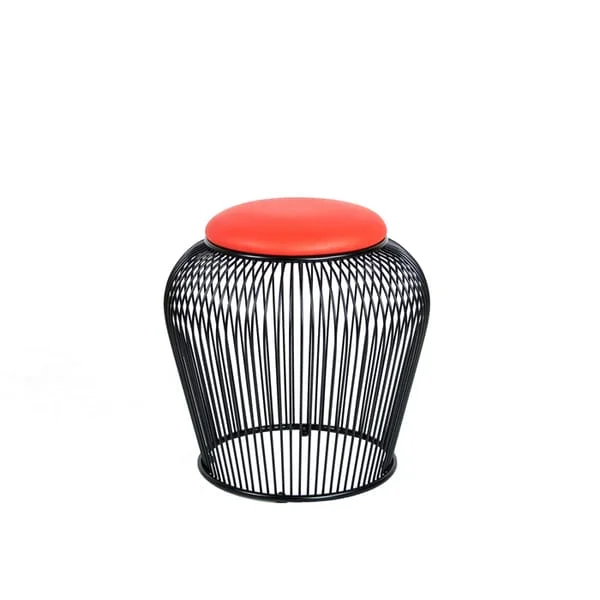
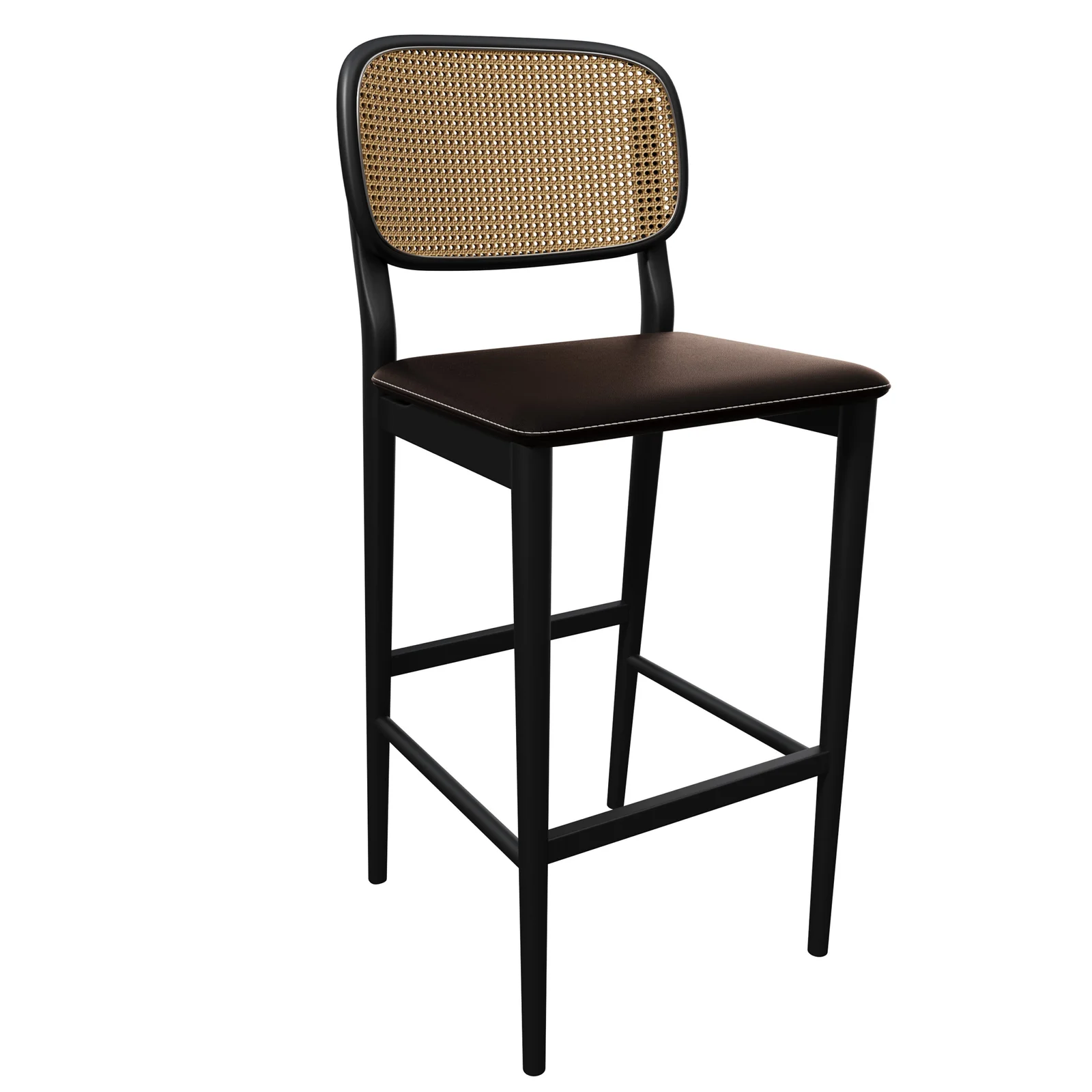
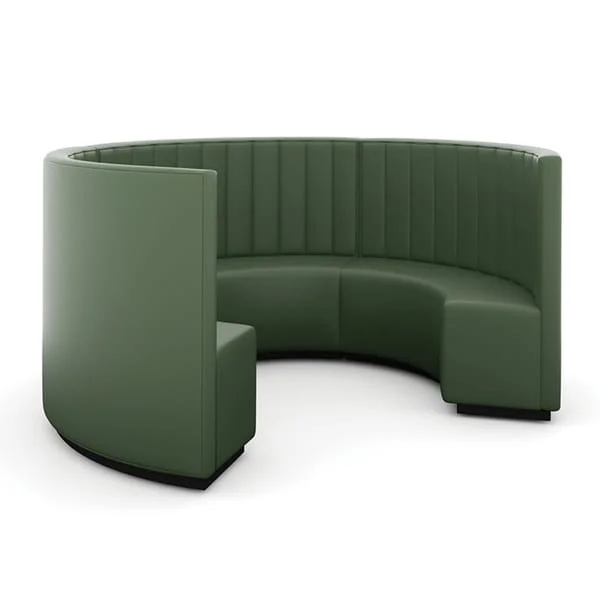
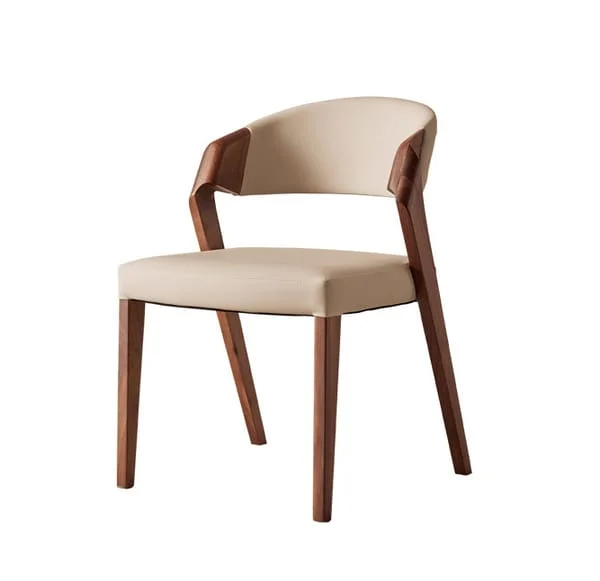
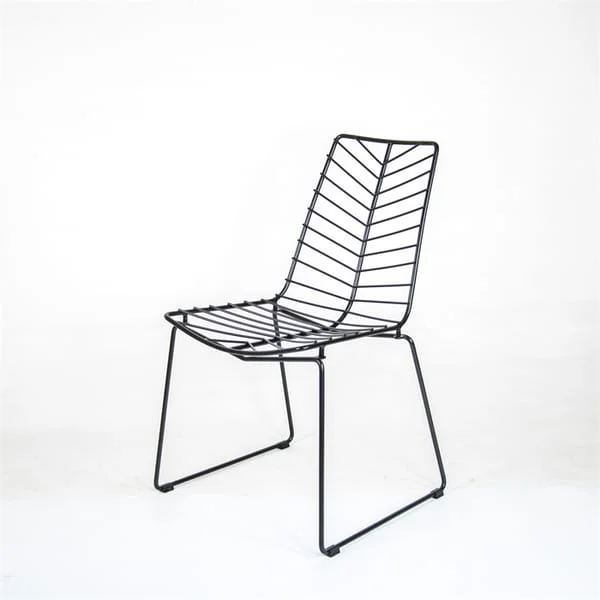
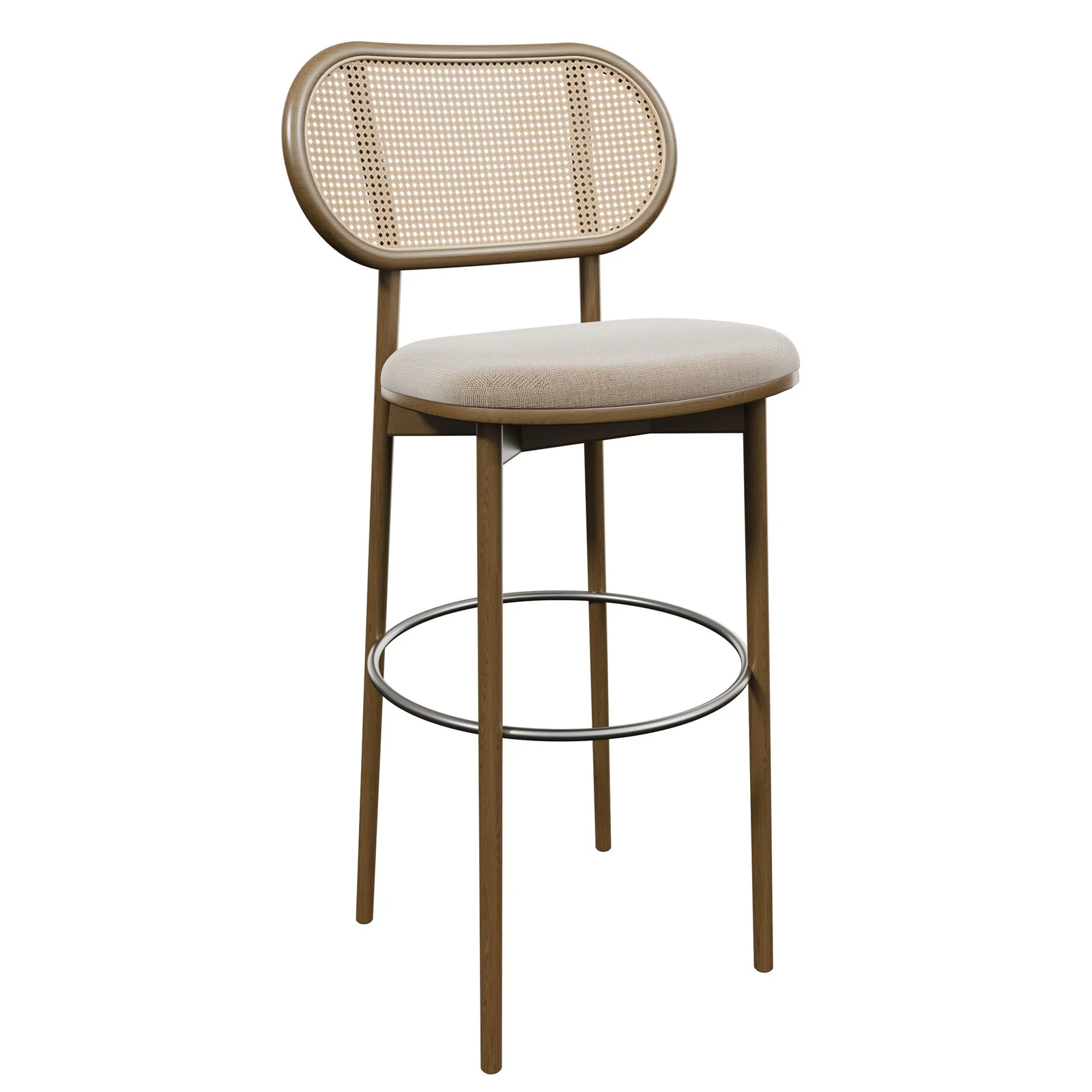
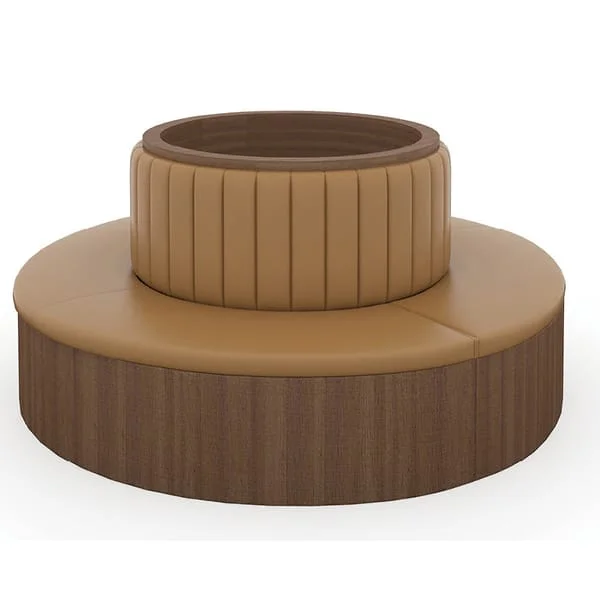
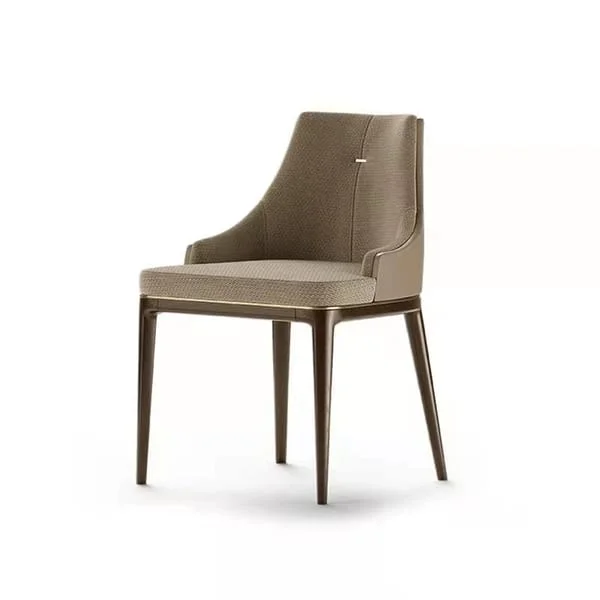
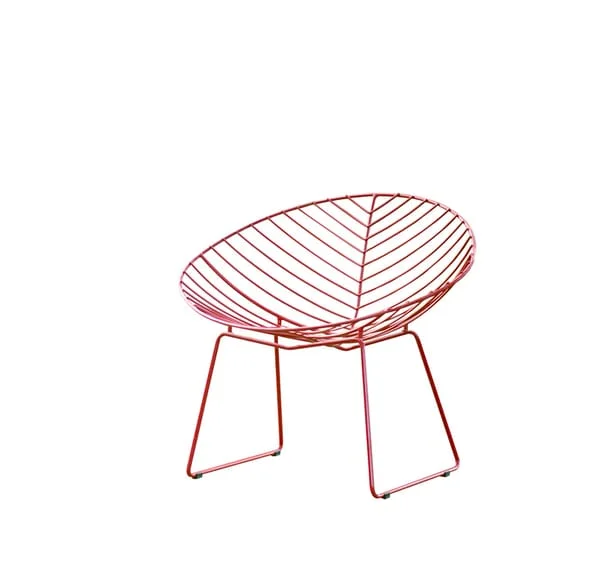
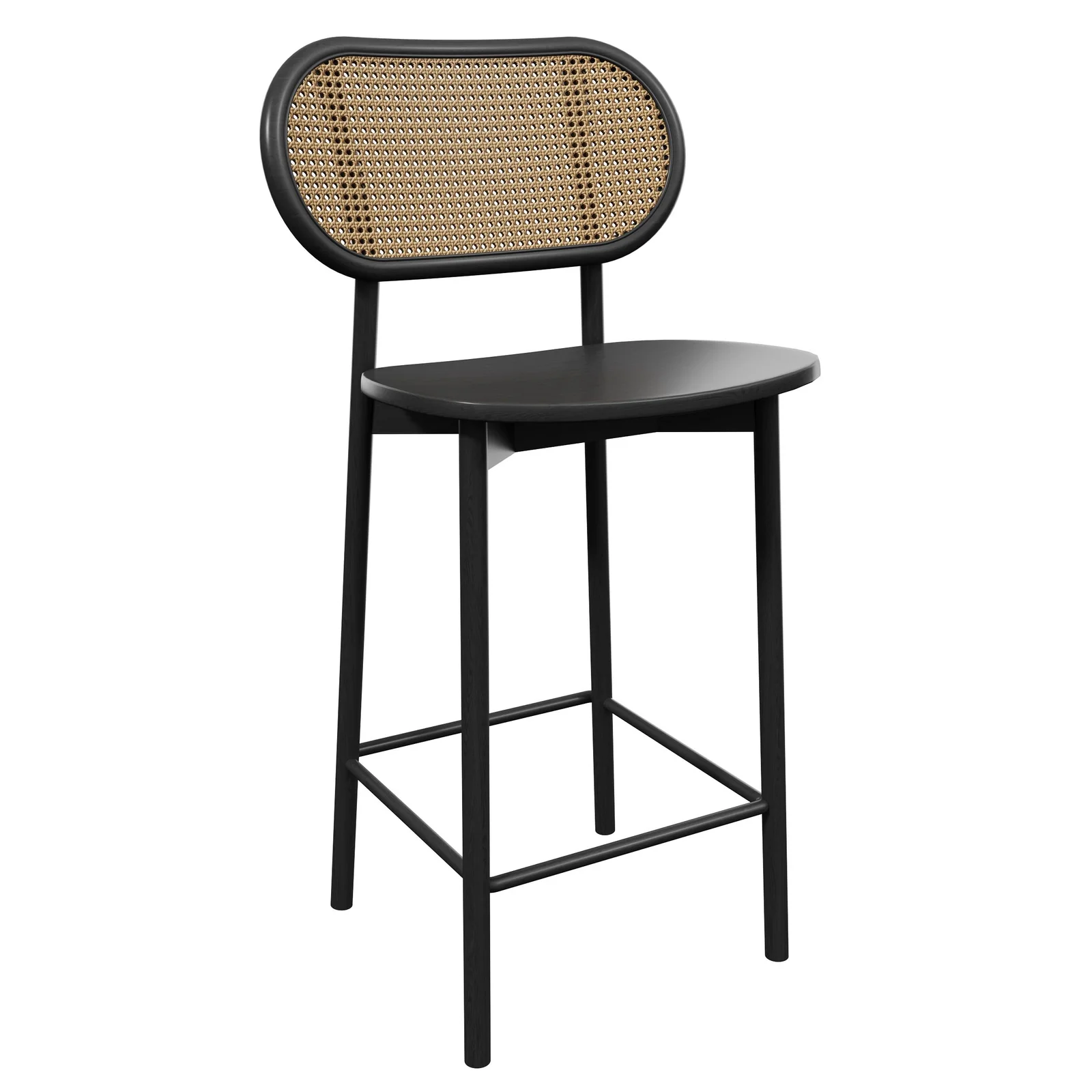
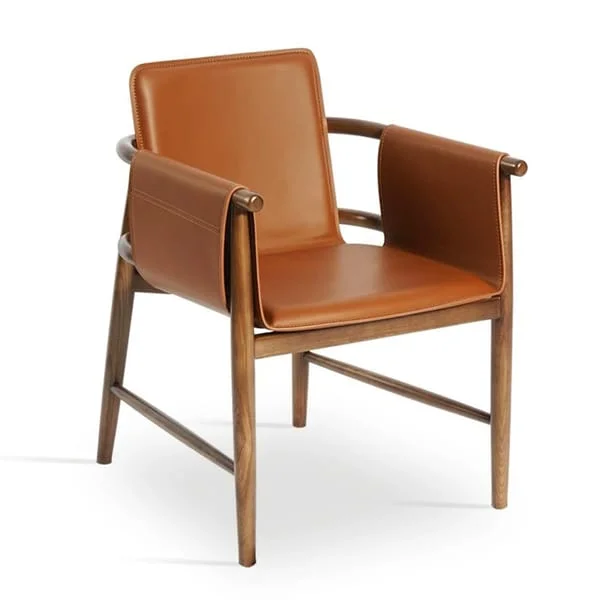
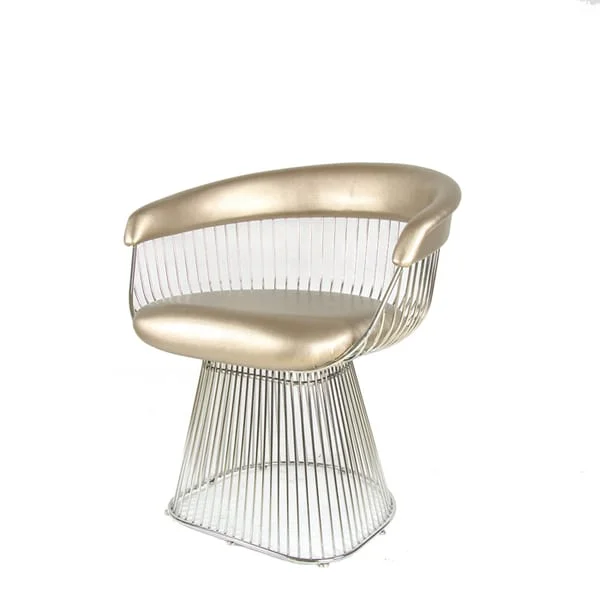
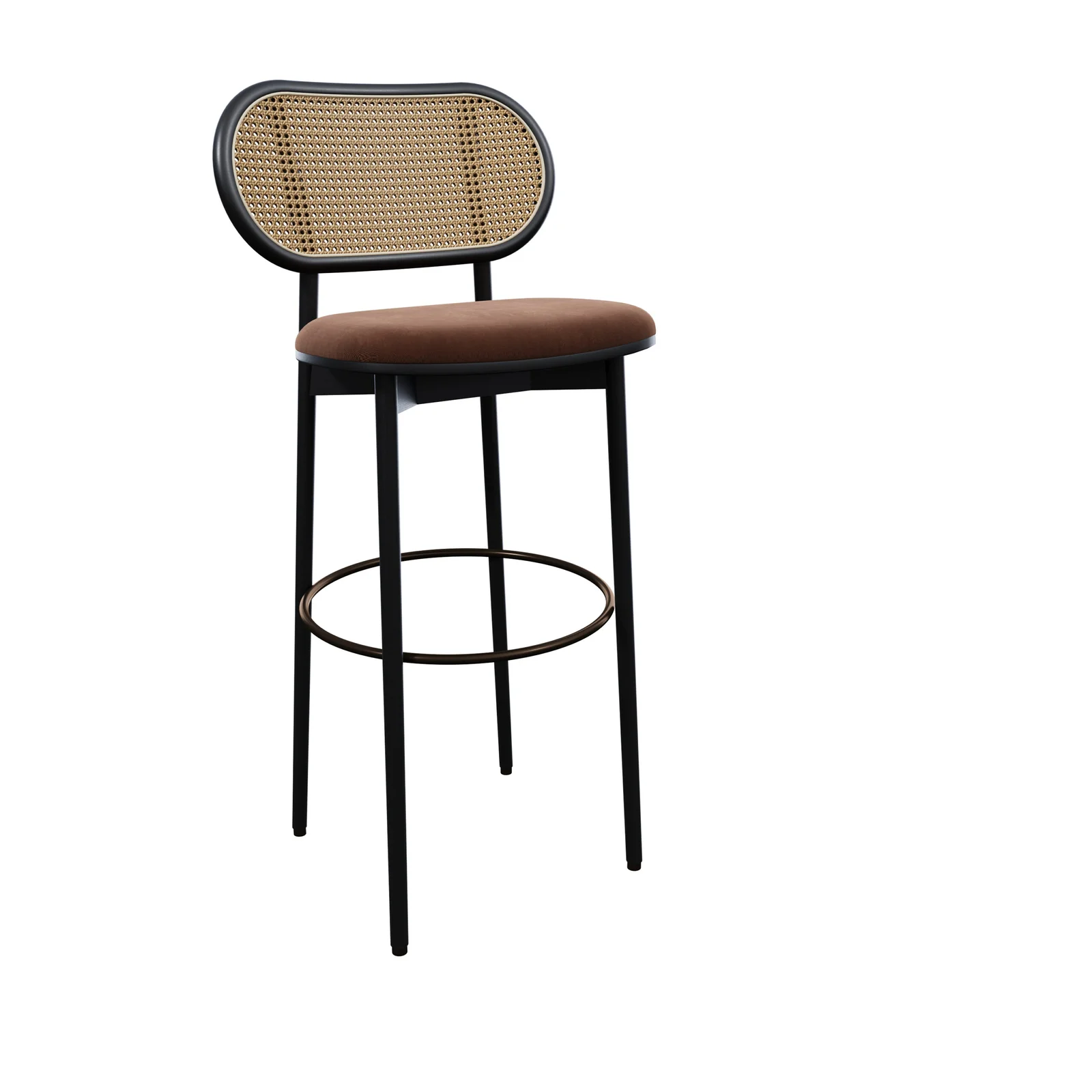
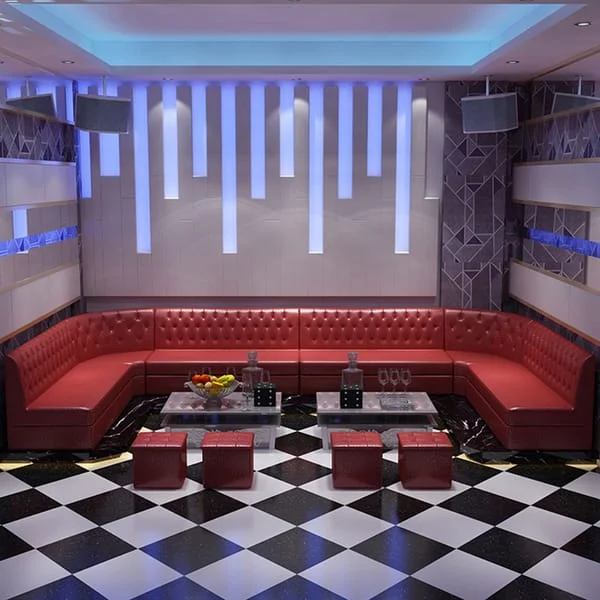
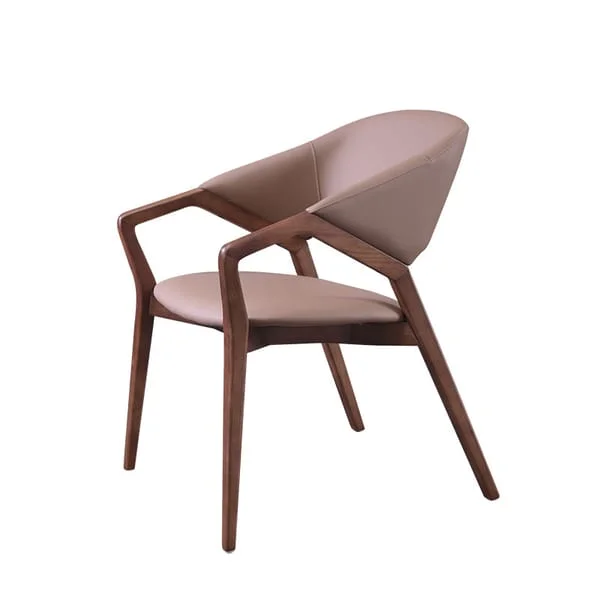
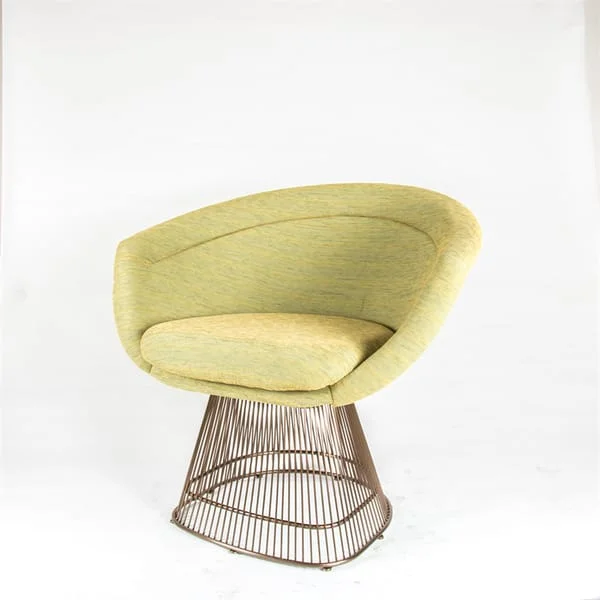
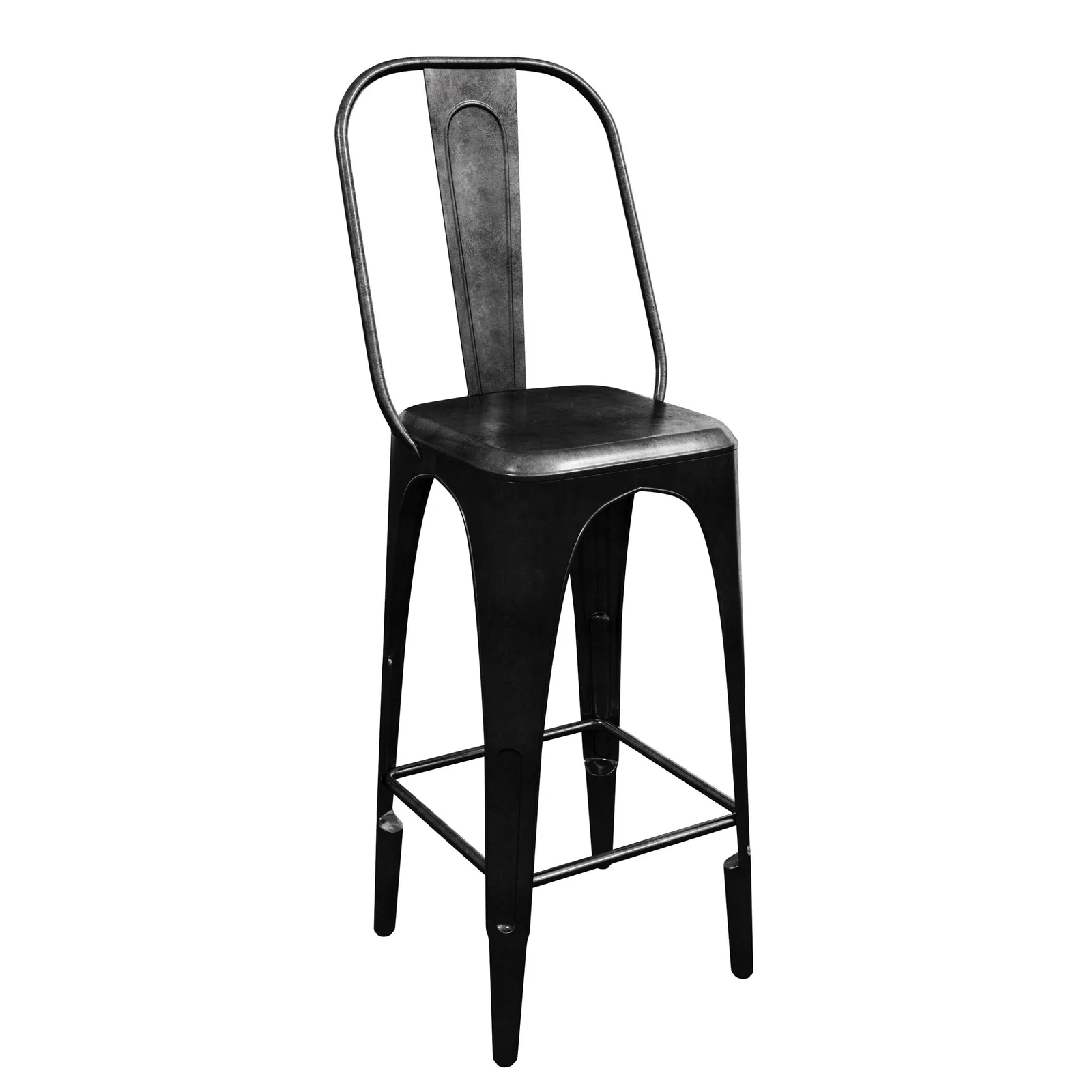
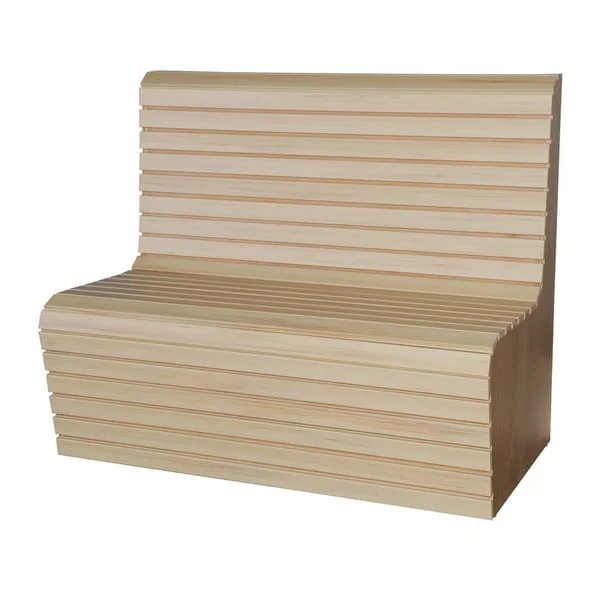
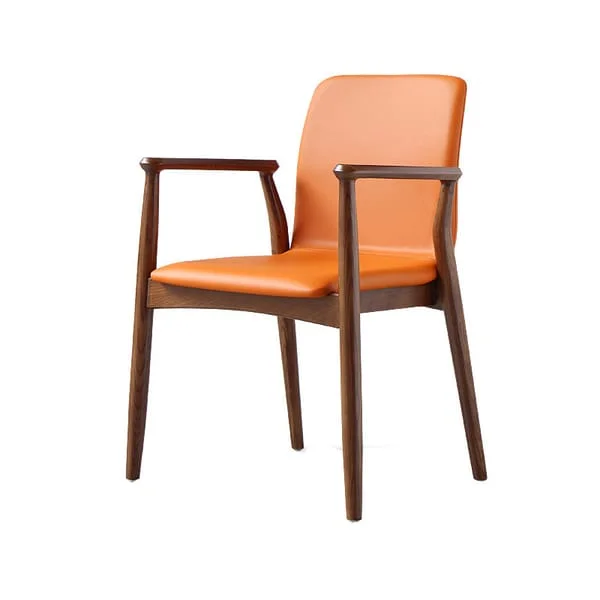
LONGG is a China-based commercial restaurant seating manufacturer serving B2B hospitality projects. The collection includes commercial wood chairs, metal restaurant chairs, upholstered dining chairs, resin and plastic chairs, commercial bar stools and custom restaurant booths and banquettes. Use the product list above to shortlist a seating type, then confirm the complete dimensions, materials, finishes and project requirements in writing.
Choosing a seating type. Start with the venue layout, table plan, service circulation, required seating capacity, cleaning routine and comfort target. Dining chairs support flexible table arrangements, bar and counter stools must coordinate with raised surfaces, and booths can use perimeter, corner or fixed seating areas. The right option depends on the specific floor plan rather than appearance alone.
Seat height, table height and clearances. Provide the finished seat height, overall chair or stool dimensions, table or counter height, tabletop thickness, apron position and required leg clearance. Arm height should also be checked when chairs need to slide under a table. Review each table-and-seat combination as one assembly before approval, especially for bar-height, counter-height and booth seating.
Frames, construction and intended use. Wood, metal, resin and plastic seating provide different appearance, weight, handling and maintenance characteristics. Compare the venue environment, cleaning process, stacking or storage needs, floor conditions and expected daily use. Confirm the exact frame material, joints, surface finish, feet or glides and any required performance criteria for the selected model. For terraces and exposed areas, use the dedicated commercial outdoor chairs collection instead of assuming that indoor seating is suitable outdoors.
Upholstery, cushioning and finishes. Available upholstery and finish options depend on the selected chair, stool or booth. State the preferred material, color, texture, stitching, cushion construction and cleaning method in the RFQ. If the project has abrasion, stain-resistance or fire-performance requirements, provide the applicable standard and market before quotation. Review materials and finish swatches, and approve the final specification using the agreed sample process.
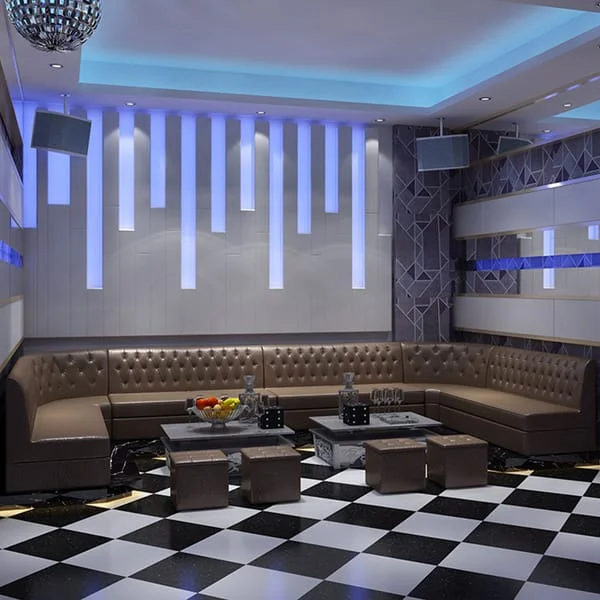
Restaurant booths and banquettes. Booth seating requires more information than a reference image. Send the floor plan, wall and corner conditions, straight or curved layout, overall lengths, seat and back heights, table positions, aisle requirements and access constraints. Indicate whether the booth is single-sided, back-to-back, L-shaped, U-shaped or curved. Final dimensions, upholstery, base construction, module joints and on-site installation responsibilities should be confirmed in approved drawings.
RFQ, drawings and samples. For a project-specific quotation, provide the delivery country, venue type, quantity by model, required dimensions, floor plan or seating schedule, frame and upholstery preferences, finish references, target delivery window, packing needs and any inspection or documentation requirements. Drawing, finish-sample, upholstery-swatch and physical-sample arrangements vary by model and project; state the required approval stages so their availability, cost and schedule can be confirmed.
MOQ and production lead time. MOQ and lead time vary by model, frame material, upholstery, finish, quantity, customization, sample approval and the production schedule when the order is placed. Confirm both in writing for the specific quotation rather than relying on one universal figure for every chair, stool or booth. Allow time for drawing, material and sample approvals when planning the project schedule.
Quality control and packing. Define the inspection scope and acceptance criteria before production. Depending on the order, checks may cover approved dimensions, frame and joint construction, finish, upholstery, stitching, assembly fit, hardware, feet or glides and stability. Packing depends on product dimensions, stackability, materials, quantity and destination. Request the packing method, package dimensions, gross weight, assembly instructions and spare-hardware details before shipment.
Restaurant seating can be coordinated with commercial restaurant tables or sourced as part of restaurant table and chair sets. Review published hospitality furniture projects for relevant applications, or send your seating schedule and request a project quotation.