
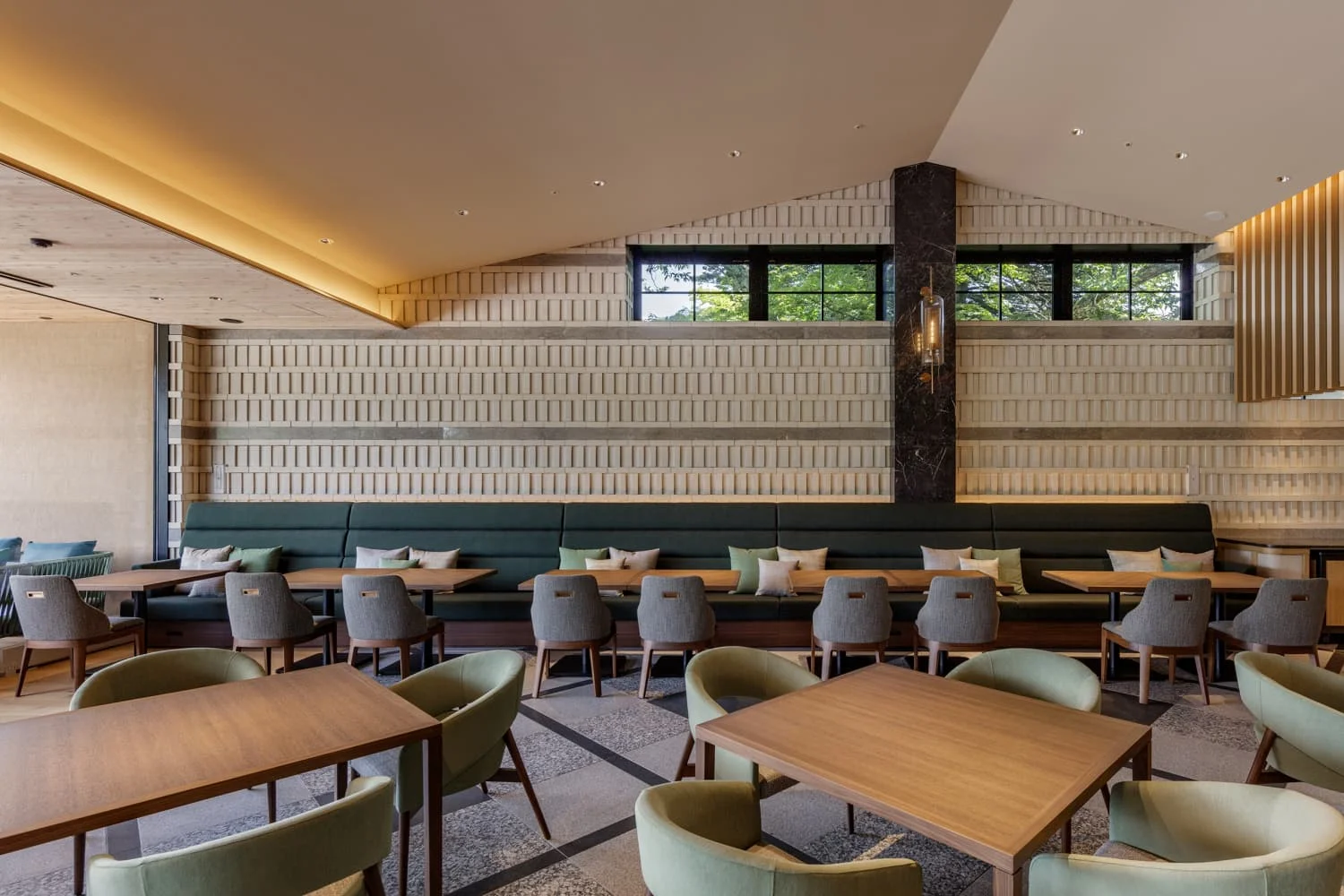
Restaurant tables and chairs can look deceptively simple on a supplier’s quotation. There is usually a model number, a finish, a quantity and a unit price. What those four lines do not tell you is whether the chairs will fit beneath the tables, whether the finish can tolerate daily cleaning, or whether replacement pieces ordered next year will match the original batch.
These questions become more important when furniture is purchased for an entire restaurant, hotel dining area or multi-location rollout. A small specification error repeated across 100 chairs can become an expensive operational problem.
Buying restaurant tables and chairs wholesale should therefore begin with the floor plan and operating requirements—not with a collection of product photographs.
The most reliable restaurant furniture order is built around a written commercial specification covering dimensions, materials, finishes, quantities, packaging and delivery responsibilities.
What Does “Wholesale Restaurant Furniture” Really Mean?
Wholesale purchasing is often associated with lower unit prices, but quantity discounts are only one part of the value.
For a commercial project, wholesale restaurant furniture should provide:
- Consistent dimensions across the complete order
- Commercial-grade frame and joint construction
- Coordinated colours and finishes
- Project-based quantities and packaging
- Custom or semi-custom options
- Production drawings and material samples
- Quality inspection before shipment
- Replacement parts or repeat-order references
Restaurant furniture is used differently from residential furniture. Dining chairs are pulled across the floor throughout the day. Tabletops are repeatedly exposed to food, liquids, heat and cleaning chemicals. Booths and banquettes may remain in service for years without being easy to remove or repair.
A product that performs well in a home may not be suitable for a restaurant serving hundreds of guests every week.
When working with a commercial restaurant furniture manufacturer, ask which parts of the specification can be controlled during production. Frame material, joint construction, foam, upholstery, powder coating, wood stain, floor glides and packaging should all be clearly defined.
Start With the Restaurant Floor Plan
Selecting furniture before reviewing the floor plan is one of the most common purchasing mistakes.
Begin with an accurate layout showing:
- Walls and structural columns
- Doors and emergency exits
- Kitchen and service entrances
- Bar counters
- Server stations
- Customer waiting areas
- Main staff circulation routes
- Accessible dining positions
- Outdoor or terrace areas
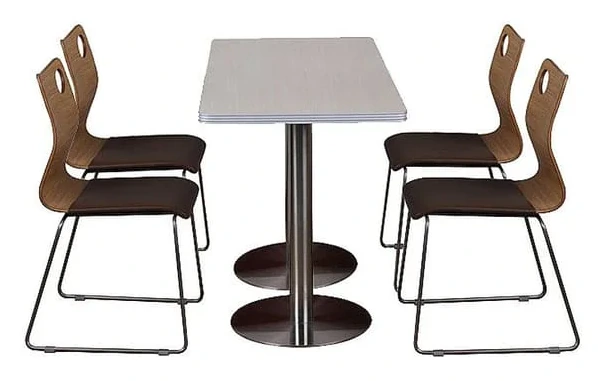
The dining room should then be divided into operating zones.
Main dining area
This area usually requires flexible two-person and four-person tables that can be combined when larger groups arrive.
The tables should join without producing large gaps, uneven surfaces or unstable arrangements. Chairs must remain easy for staff to move while still feeling substantial enough for commercial use.
Booth and banquette area
Booths can use perimeter space efficiently and create a more comfortable, private dining environment.
However, booth dimensions must be coordinated with the table position. An incorrect seat depth or table distance can make it difficult for guests to sit comfortably or reach the table.
Bar and high-table area
Bar stools, counter stools and high tables must be specified as a complete ergonomic combination.
The important measurements include:
- Finished counter height
- Seat height
- Counter overhang
- Footrest height
- Stool width
- Space between stools
- Knee clearance
- Occupied circulation width
Outdoor dining area
Outdoor furniture requires a different material specification from indoor furniture.
The selection should consider:
- Rain and moisture
- UV exposure
- Temperature changes
- Coastal corrosion
- Drainage
- Wind conditions
- Furniture storage
- Frequency of cleaning
Furniture should not be described as outdoor suitable based on appearance alone. The frame, fixings, coating, tabletop and upholstery all need to be appropriate for the environment.
Restaurant Table and Chair Dimensions
Tables and chairs should always be evaluated together.
Seat height relates to tabletop height. Chair width affects the number of guests who can sit around a table. A deep table apron may reduce knee clearance, while a large table base may interfere with guests’ feet.
The following dimensions are useful as early planning references.
| Furniture item | Common planning range | What needs to be checked |
|---|---|---|
| Dining table height | Approximately 740–760 mm | Top thickness, apron depth and finished floor level |
| Dining chair seat height | Approximately 430–480 mm | Cushion compression and table clearance |
| Counter stool seat height | Approximately 600–680 mm | Finished counter height and footrest position |
| Bar stool seat height | Approximately 720–780 mm | Bar height, overhang and stool stability |
| Dining width per guest | Often 550–650 mm | Chair width, tableware and service style |
| Seat-to-table difference | Commonly around 270–310 mm | Cushion compression and tabletop thickness |
These figures should not be treated as final manufacturing dimensions. Local regulations, restaurant type and customer profile may require different measurements.
A dimensioned drawing should be approved for every table-and-chair combination before production begins.
How to Choose Wholesale Restaurant Chairs
The visual style of a chair is important, but appearance should be followed immediately by questions about construction, comfort and maintenance.
Wood Restaurant Chairs
Wood brings warmth to cafés, bistros, full-service restaurants and private dining rooms. It can also be stained to coordinate with tabletops, wall finishes and other interior elements.
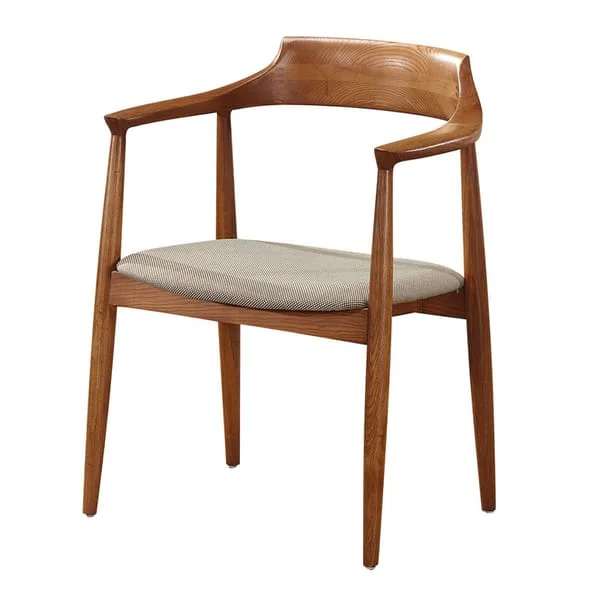
Before approving a wood chair, confirm:
- Timber species
- Moisture control
- Joint construction
- Seat support
- Backrest connection
- Finish system
- Floor glide type
- Colour-matching method
The ability to reproduce the stain is especially important for restaurant groups. A future replacement order should not look noticeably different from the original furniture.
Metal Restaurant Chairs
Metal frames can provide a slimmer profile and consistent batch production. They are commonly used in cafés, bars, fast-casual restaurants and high-traffic dining areas.
Important details include:
- Tube dimensions
- Metal thickness
- Weld quality
- Reinforcement points
- Corrosion protection
- Powder-coat finish
- Seat attachment
- Replaceable floor glides
A heavy chair is not automatically stronger. Frame geometry, joint design and welding quality often matter more than the total weight.
Upholstered Dining Chairs
Upholstered chairs are suitable for restaurants where guests remain seated for longer periods. They can improve comfort and give the dining room a more refined appearance.
Upholstery should be specified as a complete system:
- Cover material
- Abrasion performance
- Stain resistance
- Foam density
- Seat support
- Seam position
- Fire requirements
- Replaceable seat or back panels
The easiest upholstery to photograph is not always the easiest upholstery to maintain. Cleaning methods should be discussed before the fabric or artificial leather is approved.
Stacking Restaurant Chairs
Stacking chairs can be valuable for banquet halls, event spaces, cafés and restaurants that frequently change their layouts.
Ask the supplier to confirm:
- Maximum recommended stack
- Protection between stacked frames
- Storage footprint
- Chair weight
- Suitable transport trolley
- Risk of scratching the finish
A chair should not be described as stackable simply because several units can be placed on top of each other.
How to Specify Commercial Restaurant Tables
A restaurant table is normally made from several components:
- Tabletop
- Edge detail
- Base
- Fixing plate
- Floor glides or levelling feet
Each component should be specified separately.
Laminate Tabletops
Commercial laminate can be a practical choice for cafés, fast-casual restaurants and other high-use environments.
Check the substrate, edge sealing and resistance to heat and moisture. Damage often begins at poorly sealed edges rather than on the visible surface.
Solid-Wood Tabletops
Solid wood provides natural variation and a warmer appearance. It works well in bistros, cafés, casual dining rooms and premium restaurant interiors.
Wood moves naturally in response to humidity. Construction, sealing and fixing methods must allow for this movement.
Buyers should also understand that natural colour and grain variations are part of the material rather than production defects.
Engineered Stone and Sintered Stone
Stone-look surfaces can create a premium appearance and offer good resistance to stains and heat, depending on the selected material.
Their weight affects:
- Table base size
- Structural support
- Handling
- Packaging
- Freight
- Installation
The manufacturer should confirm that the base is suitable for the exact tabletop dimensions and weight.
Metal and Stainless-Steel Tabletops
Metal surfaces are useful in industrial-style restaurants, food courts and specialist service areas.
They are generally easy to clean, but buyers should consider fingerprints, scratches, noise and heat transfer.
Choosing the Correct Restaurant Table Base
The base must support the tabletop without interfering with guests’ feet or chairs.
A base that is too small may make the table unstable. A base that is too large can reduce legroom and prevent chairs from being positioned correctly.
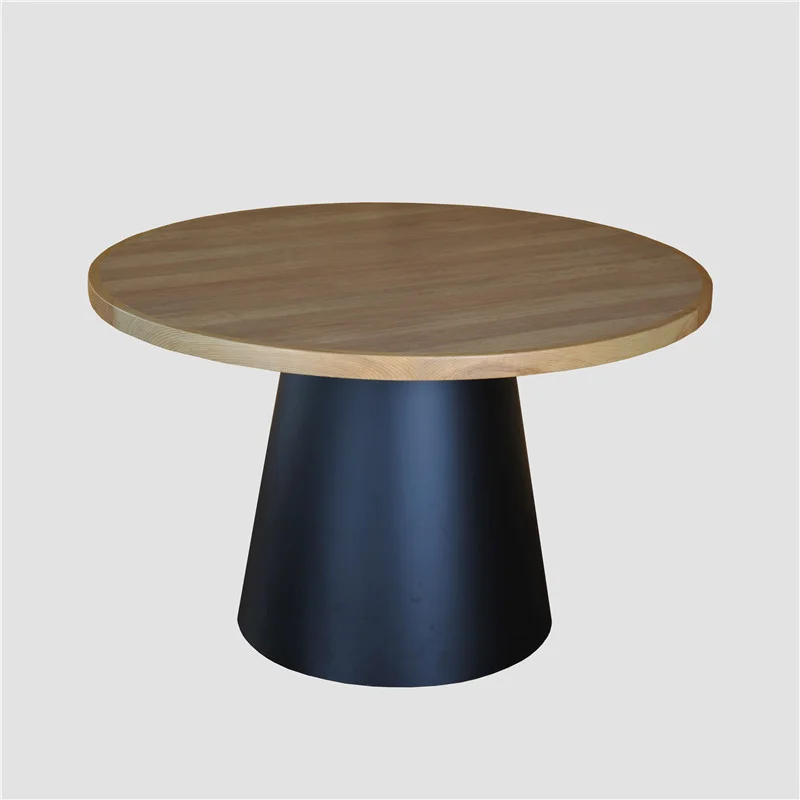
Check:
- Maximum recommended tabletop size
- Base footprint
- Base height
- Column dimensions
- Fixing plate
- Floor glides
- Levelling range
- Indoor or outdoor suitability
For larger rectangular tables, two bases may be more stable than one central base. Their positions should be coordinated with the intended seating arrangement.
Material Comparison
There is no single material that is best for every restaurant. The right choice depends on the concept, traffic level, cleaning routine, climate and maintenance plan.
| Material | Suitable applications | Main questions |
|---|---|---|
| Solid wood | Cafés, bistros and full-service restaurants | Species, moisture control, joinery and stain matching |
| Powder-coated steel | High-use dining and bar areas | Tube specification, welding and coating quality |
| Aluminium | Lightweight and outdoor furniture | Alloy, joint construction and corrosion protection |
| Commercial laminate | Cafés, fast food and casual dining | Substrate, edge sealing and moisture resistance |
| Engineered stone | Premium dining and feature tables | Weight, support, edge protection and transport |
| Upholstery | Comfort-led and longer-stay restaurants | Cleaning, abrasion, fire requirements and replacement |
The decision should be based on how the furniture will be used—not only on how it looks when new.
Stock Furniture or Custom Restaurant Furniture?
Stock furniture is often appropriate when the project has a short lead time, straightforward layout or relatively small quantity.
Advantages include:
- Faster selection
- Lower development cost
- Established dimensions
- Easier replacement
- Shorter production time
Custom restaurant furniture becomes more valuable when the project has:
- A defined interior identity
- Unusual dimensions
- Fixed booth seating
- Multiple furniture zones
- Special materials or finishes
- Integrated equipment
- Multi-location rollout requirements
Custom production allows tables, chairs, bar stools, booths and service furniture to be coordinated as one collection.
It also requires earlier decisions. Drawings, samples, finish references and approval responsibilities should be agreed before production.
Many successful projects use both approaches: custom furniture in important visual areas and standardised products where flexibility and repeat ordering matter more.
How to Compare Wholesale Quotations
Two quotations may use similar product descriptions while covering different materials, packaging and delivery responsibilities.
Before comparing unit prices, make sure each supplier is pricing the same specification.
Your comparison should include:
- Frame material
- Tabletop material
- Finished dimensions
- Upholstery specification
- Foam specification
- Wood stain or powder-coat finish
- Minimum order quantity
- Sample charges
- Commercial warranty
- Replacement parts
- Export packaging
- Shipping terms
- Production lead time
The cheapest unit price does not always produce the lowest project cost.
A proper comparison should calculate the landed cost:
Furniture cost + samples + packaging + inland transport + international freight + duties + local delivery + installation
Container efficiency also matters. Large cartons or furniture that cannot be packed efficiently can increase the freight cost enough to offset a lower product price.
Why a Pre-Production Sample Matters
A sample is more than a colour reference. It is the physical production standard for the order.
Review the sample at the intended table whenever possible. Check:
- Overall dimensions
- Seat comfort
- Chair stability
- Table stability
- Joints and welding
- Finish consistency
- Upholstery seams
- Floor glides
- Table clearance
- Cleaning access
- Visible and hidden surfaces
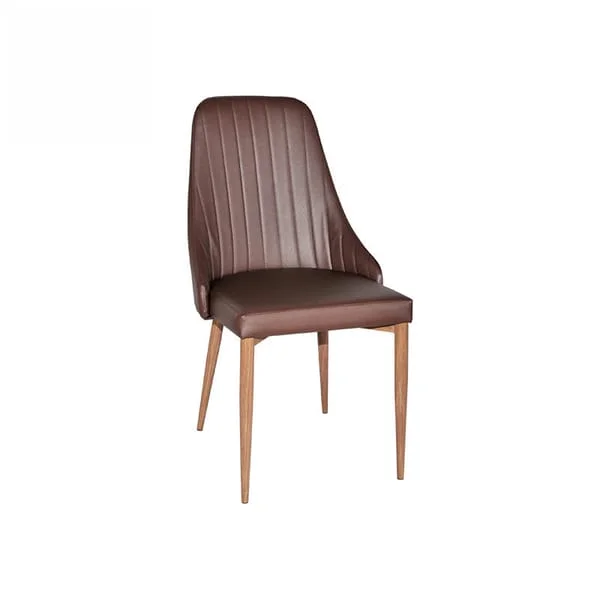
Move the chair across the intended flooring. Sit in it for longer than a few seconds. View the colour under lighting similar to the final restaurant.
Record every approved detail through photographs, finish samples and dimensioned drawings.
Quality Control Before Shipment
Quality control should check more than the appearance of a few finished products.
A useful inspection covers:
- Product quantities
- Approved dimensions
- Material consistency
- Frame construction
- Joints and welds
- Surface finish
- Upholstery workmanship
- Stability
- Hardware
- Floor glides
- Product labels
- Packaging condition
If the project contains several restaurant areas, cartons should be labelled by zone. This makes installation easier and helps the project team identify shortages quickly.
Packaging, Freight and Installation
Packaging is part of furniture performance.
Table edges, stone tops, upholstered corners and powder-coated frames require different types of protection. Products should be separated inside the carton to prevent surfaces from rubbing together during transport.
Before approving the packaging plan, confirm:
- Units per carton
- Carton dimensions
- Gross weight
- Internal protection
- Hardware packaging
- Assembly instructions
- Product labels
- Replacement part identification
- Container loading quantity
Installation planning should begin before the shipment arrives.
Confirm:
- Unloading access
- Lift dimensions
- Door openings
- Temporary storage
- Assembly responsibilities
- Waste packaging removal
- Installation sequence
These practical details often determine whether a restaurant installation finishes on time.
What Should a Restaurant Furniture Supplier Ask?
An experienced supplier should ask more than which colour you prefer.
Expect questions about:
- Restaurant floor plan
- Furniture quantities
- Venue type
- Indoor or outdoor use
- Target opening date
- Destination country
- Cleaning requirements
- Equipment integration
- Material preferences
- Budget level
- Sample approval
- Testing requirements
The supplier’s response should make the project easier to understand. You should receive coordinated options, dimensional information, finish choices, realistic production timing and a quotation that clearly states what is included.
LONGG works with restaurant owners, designers and hospitality procurement teams on commercial tables, chairs, booths and custom project furniture. Providing a clear brief at the beginning helps the manufacturer prepare more accurate recommendations and pricing.
Restaurant Furniture RFQ Checklist
Before requesting a quotation, prepare the following information:
- Dimensioned floor plan
- Seat count
- Table quantity
- Furniture quantity by area
- Preferred product references
- Required dimensions
- Material preferences
- Finish direction
- Indoor or outdoor application
- Destination
- Required installation date
- Testing or compliance requirements
- Target budget or quality level
A complete RFQ reduces assumptions and makes supplier quotations easier to compare.
Frequently Asked Questions
What is the minimum order for wholesale restaurant furniture?
Minimum quantities depend on the product, material and customisation level. Standard chairs may have a minimum quantity per model, while custom tables, booths and mixed furniture packages are normally evaluated from the complete project schedule.
Should restaurant tables and chairs come from the same supplier?
They do not have to, but using one coordinated supplier can reduce dimensional and finish mismatches. If the products come from different suppliers, approve the exact chair, tabletop height, apron clearance and finish references together.
How early should restaurant furniture be ordered?
Work backwards from the installation date. Allow time for specification, quotation, drawings, samples, production, inspection, international freight, customs clearance and local delivery.
Custom furniture should be approved early enough to resolve sample changes without reducing the production period.
Is custom restaurant furniture always more expensive?
Not necessarily. Custom furniture may involve development and sampling costs, but it can improve the use of space and reduce the need to purchase unrelated products from several suppliers.
The correct comparison is the total project value rather than the price of one chair or table.
How many spare restaurant chairs should be ordered?
The appropriate quantity depends on the size of the project, furniture turnover, storage space and whether the same product can be reordered.
For multi-location projects, keeping a controlled number of spare chairs, glides and upholstery components can reduce future downtime.
What information is required for a restaurant furniture quotation?
The most useful starting information includes the floor plan, seat count, quantities, reference images, preferred materials, destination and required installation date.
Plan the Complete Dining Room
Buying restaurant tables and chairs wholesale is not simply a question of finding the lowest unit price. The furniture needs to fit the floor plan, support daily service, coordinate with the restaurant interior and arrive in the correct condition at the correct time.
Dimensions, materials, finishes, samples, packaging and delivery responsibilities should all be agreed before mass production begins.
Share your floor plan, furniture quantities, reference images and project schedule with an experienced restaurant tables and chairs supplier to develop a coordinated commercial furniture proposal.